




What's Happening?
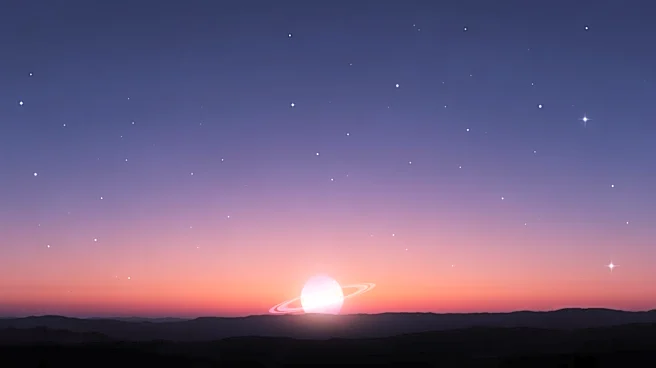
Astronomy enthusiasts are in for a treat as Saturn becomes increasingly visible in the early morning sky throughout May. According to Astronomy Magazine, Saturn will be positioned nearly 4° above the eastern horizon approximately 45 minutes before sunrise
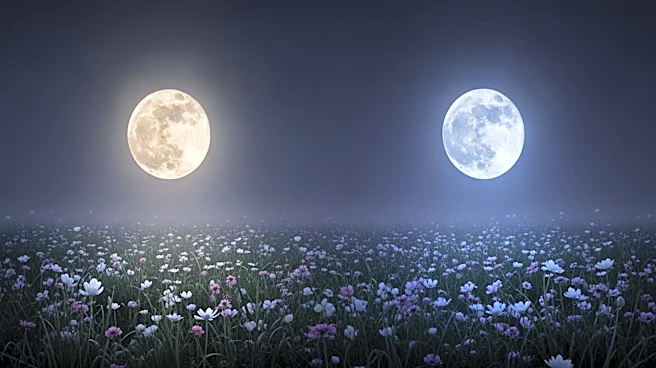
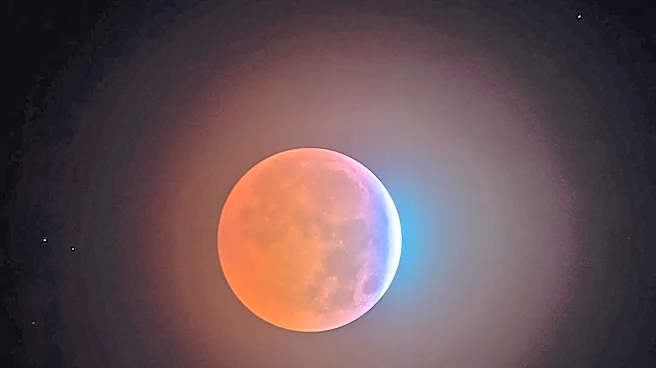
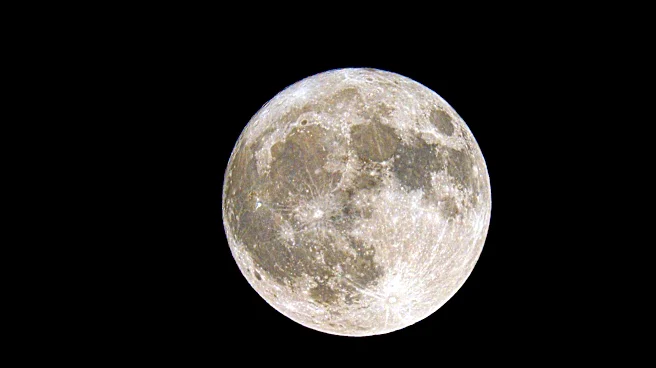
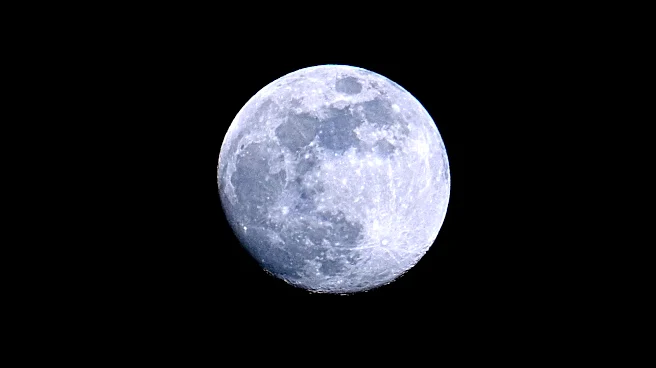
on May 1, making it easier to spot. The planet is located in the constellation Cetus, beneath the Great Square of Pegasus. Observers can use telescopes to view Saturn's rings, although atmospheric conditions near the horizon may cause the image to appear blurry. Mars is also visible, albeit fainter and lower in the sky, positioned 7.6° east of Saturn. The Full May Flower Moon will occur on May 1, with a second Full Moon, a Blue Moon, expected on May 31.
Why It's Important?
The visibility of Saturn and other celestial events like the Full May Flower Moon provide opportunities for both amateur and professional astronomers to engage with the night sky. Such events can inspire interest in astronomy and science education, encouraging people to learn more about the universe. The occurrence of a Blue Moon later in the month adds to the excitement, as it is a relatively rare event. These celestial phenomena can also have cultural significance, often being associated with folklore and traditions.
What's Next?
As May progresses, Saturn will continue to rise earlier, offering more opportunities for observation. Astronomy clubs and observatories may organize events to facilitate public viewing of Saturn and the Full Moon. The Blue Moon on May 31 will likely attract additional interest, with potential for educational programs and media coverage to highlight the event. Observers are encouraged to use telescopes or binoculars for a better view, and to check local weather conditions for optimal viewing opportunities.