




What's Happening?
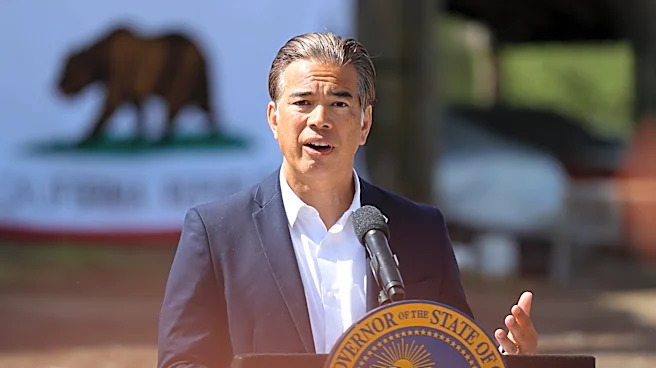
California Governor Gavin Newsom's mandate for state workers to return to the office four days a week has encountered significant challenges due to health concerns. The Service Employees International Union Local 1000 has reported unsafe working conditions
in government buildings, particularly at the Department of Industrial Relations Building in Lodi, where Legionella bacteria was detected. This bacterium, which can cause a severe form of pneumonia known as Legionnaire's disease, was found contaminating a line connected to an icemaker. The Department of Industrial Relations is working with property management to address the issue by flushing plumbing fixtures and the water system. Additionally, other health concerns have been raised, including a bedbug infestation at the California Department of Education and sightings of cockroaches in various state buildings.
Why It's Important?
The health risks associated with the return-to-office mandate highlight the challenges of transitioning back to in-person work environments post-pandemic. The presence of Legionella bacteria and other pests in state buildings raises serious concerns about workplace safety and the state's responsibility to ensure a hazard-free environment for its employees. This situation underscores the tension between government directives and employee welfare, as workers demand safe conditions and fair compensation. The union's involvement in contract negotiations emphasizes the broader implications for labor rights and workplace standards, potentially influencing policies on telework and employee safety across the U.S.
What's Next?
The Department of Industrial Relations is expected to continue its efforts to resolve the health issues in affected buildings, with potential measures including comprehensive building treatments. The union will likely maintain pressure on the state to address these concerns and may use the situation to strengthen its position in ongoing contract negotiations. Governor Newsom's administration may face increased scrutiny and demands for accountability, potentially leading to policy adjustments or increased investment in building maintenance and safety protocols.