





What's Happening?
A council appointed by President Trump has proposed significant changes to the Federal Emergency Management Agency (FEMA) aimed at reforming disaster recovery processes. The council's report suggests shifting more responsibility for disaster preparedness,
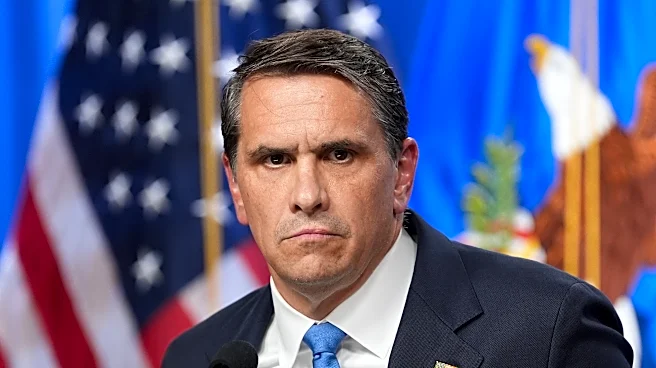
response, and recovery to states, tribes, and territories. Key recommendations include altering how federal support is determined, changing the payment system to states, and modifying survivor assistance programs. The council, co-chaired by Homeland Security Secretary Markwayne Mullin and Defense Secretary Pete Hegseth, includes members from predominantly Republican-led states. The proposed changes aim to streamline processes and reduce bureaucracy, but have raised concerns about the capacity of local governments and the private sector to handle increased responsibilities.
Why It's Important?
The proposed reforms could significantly impact how disaster recovery is managed in the U.S., potentially reducing federal involvement and increasing the burden on state and local governments. This shift could lead to faster assistance and cost savings, but also risks leaving gaps in support, particularly for low-income survivors. The recommendations reflect a broader push by the Trump administration to decentralize federal disaster management. If implemented, these changes could alter the landscape of disaster recovery, affecting how resources are allocated and who receives aid. The proposal has sparked debate among disaster experts and stakeholders about the feasibility and implications of such a shift.
What's Next?
The recommendations will be reviewed by President Trump, but many require congressional approval to be enacted. The path to legislative action is uncertain, especially with upcoming midterm elections. Stakeholders, including emergency managers and nonprofits, are closely watching the developments, as the proposed changes could reshape disaster recovery efforts. The council's report has already faced delays and controversy, indicating potential challenges in gaining consensus. The outcome will depend on political will and the ability of Congress to navigate the complexities of disaster management reform.