






What's Happening?
A new documentary delves into the shocking 2022 murder of four students in Moscow, Idaho. The victims, Madison Mogen, Kaylee Goncalves, Ethan Chapin, and Xana Kernodle, were brutally stabbed in their shared house, an attack so severe that blood seeped
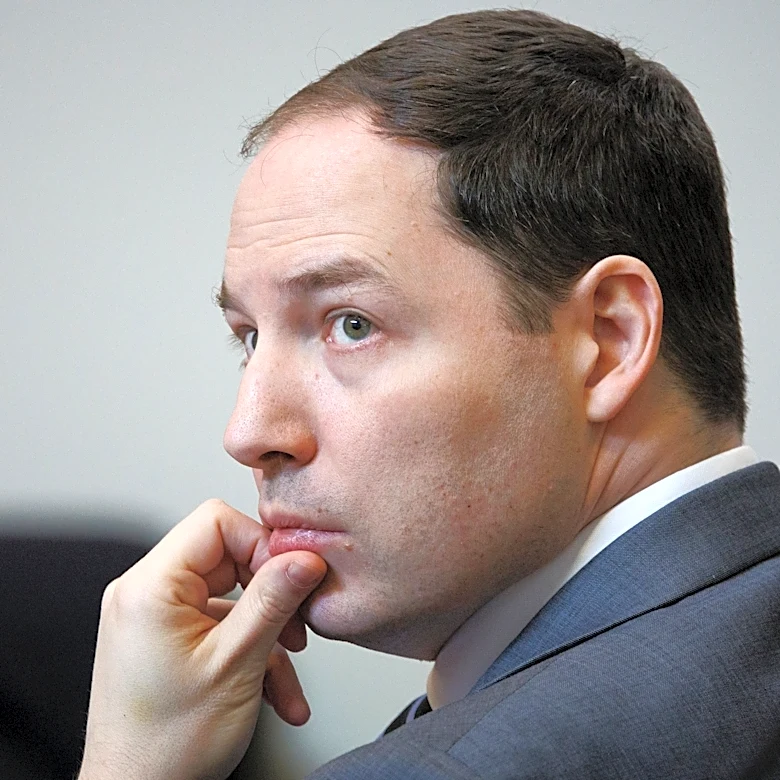
from the building's foundations. Suspicion quickly turned to Bryan Kohberger, another student, who is the focus of the documentary. The film examines the case against Kohberger, highlighting his past troubling behavior towards women. It also pays tribute to the victims by featuring interviews with their friends and family, providing a personal perspective on the tragedy.
Why It's Important?
The documentary sheds light on a case that has gripped the nation, highlighting issues of campus safety and the psychological profiles of potential offenders. It underscores the impact of violent crime on small communities and the enduring trauma for the victims' families and friends. The exploration of Kohberger's behavior could contribute to discussions on early warning signs and prevention strategies in educational institutions. This case also raises questions about the criminal justice process and the challenges of ensuring a fair trial amid intense public scrutiny.
What's Next?
As the documentary airs, it may prompt renewed interest and discussion about the case, potentially influencing public opinion and the legal proceedings against Kohberger. The film could also lead to increased advocacy for campus safety measures and support systems for students. Legal experts and psychologists might weigh in on the implications of the evidence presented, and the documentary could become a reference point in future discussions about similar cases.
Beyond the Headlines
The documentary not only revisits the crime but also explores broader societal issues such as the portrayal of crime in media and its effects on public perception. It may also highlight the ethical considerations in documenting real-life tragedies and the responsibility of filmmakers to balance storytelling with sensitivity towards those affected. The case could serve as a catalyst for discussions on mental health support and intervention strategies in educational settings.