




What's Happening?
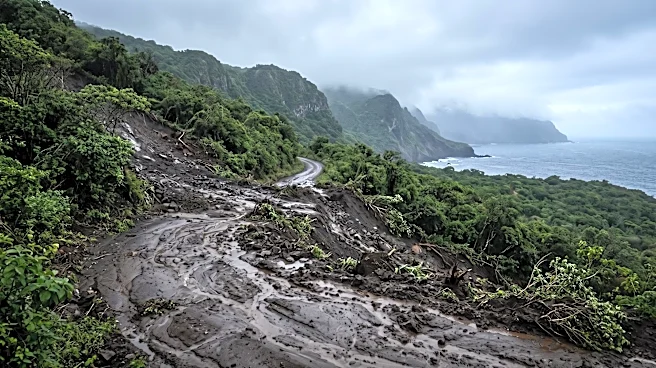
The El Niño phenomenon has led to severe weather in the Galápagos Islands, specifically on Santa Cruz Island, resulting in one fatality and affecting over 2,000 people. On November 1, after ten hours of heavy rainfall, a mudslide occurred in Santa Cruz,
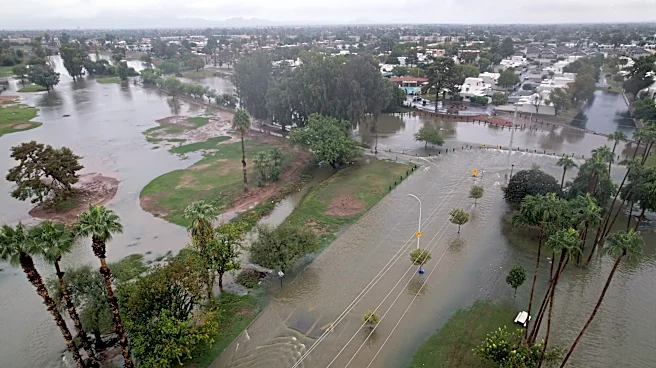
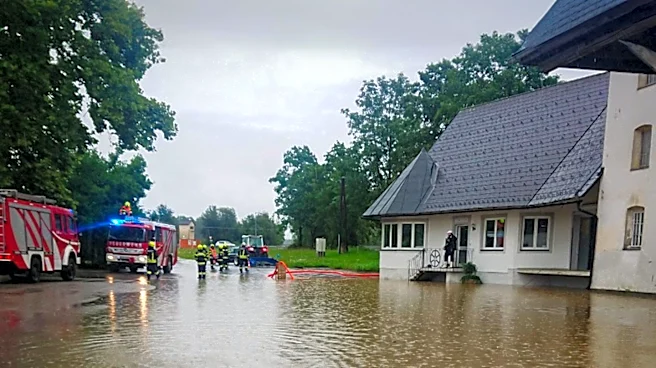
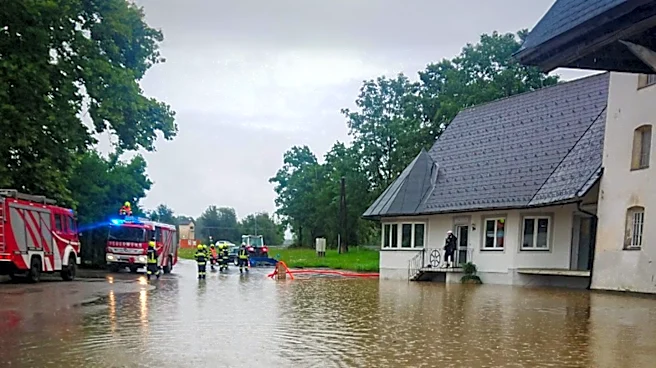
causing significant damage and forcing residents to evacuate. The National Secretariat for Risk Management (SNGR) had previously declared a red alert across Ecuador on September 29, indicating the highest level of alert due to technical evidence confirming the phenomenon's progression and potential intensification. The worst impacts are anticipated in December. Emergency services, including firefighters and the Red Cross, conducted rescues using kayaks and zodiacs, with water levels reaching up to three meters in some neighborhoods. Community efforts, coordinated through social media and WhatsApp groups, have been crucial in providing aid, cleaning homes, and distributing food to those affected. Despite the crisis, the Ministry of Environment and Energy reported no deaths among giant tortoises or wild birds due to the rains.
Why It's Important?
The severe impact of El Niño in the Galápagos highlights the vulnerability of unique ecosystems and human settlements to extreme weather events. The displacement of over 2,000 people and the loss of one life underscore the immediate humanitarian crisis. The reliance on community-led initiatives for disaster response, while effective in the short term, also points to potential gaps in official preparedness and early warning systems. The geographic isolation and biosecurity restrictions of the Galápagos further complicate relief efforts, making monetary donations to local leaders a primary method of support. The potential long-term effects on agriculture, which is vital for the island's food security, could lead to sustained challenges for residents. This event serves as a critical case study for understanding and mitigating the consequences of climate-related disasters in ecologically sensitive regions.
What's Next?
Local and national authorities are currently assessing the damage and coordinating further relief efforts. Santa Cruz Mayor Fanny Uribe is in discussions with the government to activate housing vouchers for families who lost their homes and is planning for the distribution of 1,000 basic food kits. The possibility of relocating the heavily affected La Cascada neighborhood is also under consideration. Residents are returning to their homes to clean and recover belongings, but remain prepared for further evacuations if new alerts are issued. Farmers in the highlands are concerned about the medium-term impact on crops due to accumulated water, and are requesting assistance for clearing gullies and constructing greenhouses to secure food production. The SNGR's red alert remains in effect, with the worst of the El Niño phenomenon expected to arrive in December, suggesting that further severe weather events and their consequences are likely.
Beyond the Headlines
The El Niño event in the Galápagos exposes deeper issues beyond immediate disaster response, including the intersection of climate change, environmental conservation, and community resilience. The lack of early warning alarms in affected neighborhoods raises questions about infrastructure and communication systems designed to protect vulnerable populations. The reliance on informal community networks for aid, while demonstrating strong social cohesion, also highlights potential systemic weaknesses in official disaster management frameworks. The long-term implications for the Galápagos' unique biodiversity, despite no immediate reports of wildlife deaths, remain a concern as ecosystems are stressed by altered weather patterns. This event could prompt a re-evaluation of urban planning and infrastructure development in ecologically sensitive areas, emphasizing the need for climate-resilient strategies to protect both human lives and invaluable natural heritage.