







What's Happening?
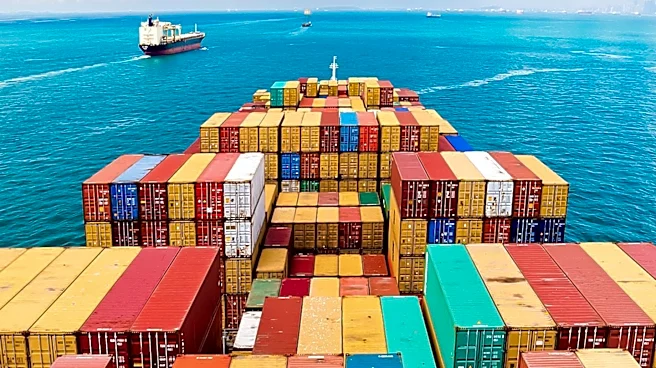
Disruptions in major maritime routes, including the Black Sea, Red Sea, and Strait of Hormuz, are driving up shipping and insurance costs, affecting global trade. Security tensions have led to delays and longer routes, increasing operational costs. In
the Black Sea, attacks by Russia and Ukraine have heightened risks, reducing port capacity and impacting grain exports. The Red Sea has seen disruptions due to Houthi attacks, while the Strait of Hormuz faces reduced traffic amid geopolitical tensions. These disruptions are affecting energy and commodity flows, with significant implications for global markets.
Why It's Important?
The increased costs and delays in maritime trade routes have far-reaching implications for the global economy. Higher shipping and insurance costs can lead to increased prices for goods, affecting businesses and consumers worldwide. The disruptions in energy and grain supplies are particularly concerning, as they can exacerbate inflationary pressures and weaken economic growth. The situation highlights the critical importance of maritime security for global trade and the potential vulnerabilities in international supply chains.
What's Next?
The ongoing disruptions may prompt international efforts to enhance maritime security and stabilize key shipping routes. Countries reliant on these routes for energy and commodity imports may seek alternative supply chains or increase domestic production. The situation could also lead to diplomatic engagements to address the underlying geopolitical tensions. Businesses and consumers should prepare for potential price increases and supply chain adjustments as the situation evolves.