







What's Happening?
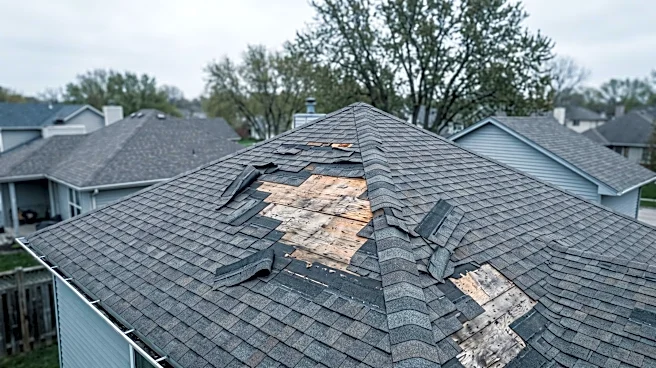
State Farm is facing significant scrutiny and accusations of systematically reducing claim payments and delaying roof replacements, leading to widespread customer dissatisfaction. In Illinois, a homeowner reported a three-year battle with State Farm to repair
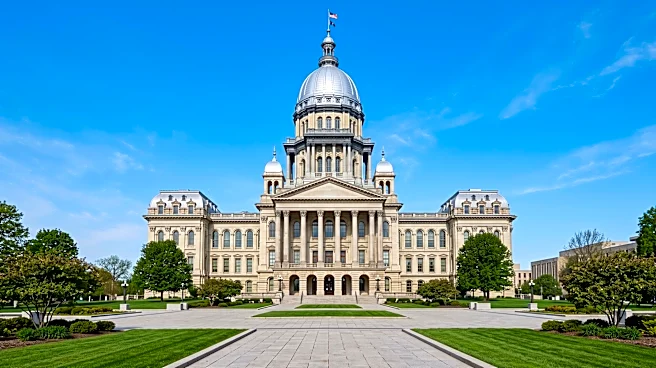
tornado damage, while neighbors insured by other companies had their claims settled promptly. This individual's experience aligns with recent reports from unsealed State Farm documents in Oklahoma litigation. These documents allegedly reveal internal company communications discussing changes to hail and wind claims handling that resulted in dramatically reduced claim payments and fewer roof replacements, contributing to an estimated $1.4 billion reduction in indemnity payments. Oklahoma Attorney General Gentner Drummond has accused State Farm of operating a 'Denial Enterprise' under the state’s anti-racketeering statute, describing it as a corporate scheme that threatens the integrity of Oklahoma’s insurance marketplace. The Illinois Department of Insurance received over 2,100 complaints involving State Farm between July 2023 and April 2025.
Why It's Important?
These allegations against State Farm, a major insurance provider, have significant implications for consumer trust and the broader insurance industry. If proven true, the claims of a 'Denial Enterprise' suggest a systemic effort to minimize payouts, potentially leaving policyholders vulnerable and financially burdened after disasters. This erodes the fundamental promise of insurance: to provide financial security and support during unforeseen events. The large number of complaints in Illinois and the legal action in Oklahoma indicate a widespread issue that could affect countless homeowners. Such practices could lead to increased regulatory oversight, potential class-action lawsuits, and a re-evaluation of consumer protection laws within the insurance sector. It also highlights the power imbalance between large insurance corporations and individual policyholders, emphasizing the need for robust regulatory frameworks to ensure fair treatment and prompt claim resolution.
What's Next?
State Farm will likely face continued legal challenges and increased regulatory scrutiny in both Oklahoma and Illinois, as well as potentially other states. The unsealed documents from the Oklahoma litigation could serve as crucial evidence in ongoing and future legal proceedings, potentially leading to significant financial penalties and mandated changes in claims handling practices. State regulators and legislators are urged to closely examine whether consumers are receiving fair treatment, which could result in new legislation or stricter enforcement of existing insurance regulations. Policyholders who have experienced similar issues may come forward, potentially leading to more complaints and lawsuits. The outcome of these actions could compel State Farm and other insurers to review and revise their claims processes, ensuring greater transparency and fairness in their dealings with customers. The situation may also prompt consumers to more carefully research insurers and policy terms.
Beyond the Headlines
The accusations against State Farm delve into the ethical responsibilities of large corporations, particularly those providing essential services like insurance. The alleged 'Denial Enterprise' suggests a prioritization of profit margins over policyholder welfare, raising questions about corporate governance and accountability. This situation could trigger a broader public debate about the role of insurance companies in disaster recovery and the adequacy of current consumer protection mechanisms. It also highlights the potential for internal corporate policies to have far-reaching negative impacts on individuals and communities, particularly those recovering from natural disasters. The case may serve as a precedent for how regulatory bodies and legal systems address alleged systemic misconduct within the insurance industry, potentially leading to a re-evaluation of how insurance companies are allowed to manage claims and interact with their policyholders. The long-term implications could include a shift in public perception of insurance providers and a demand for greater transparency and ethical conduct.