



What's Happening?
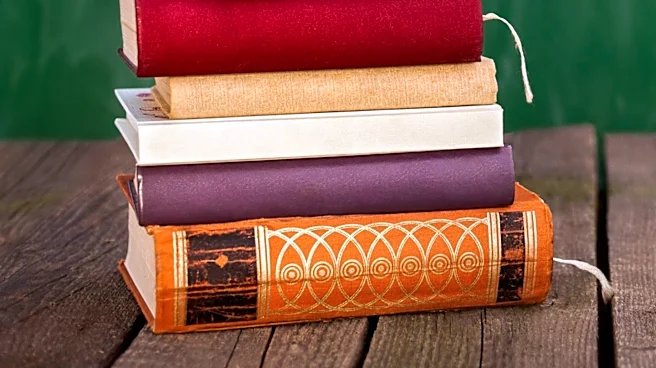
A collection of novellas by Stephen King, titled 'Different Seasons', has been banned from public schools in Utah. This collection, published in 1982, includes stories that inspired films such as 'Stand by Me' and 'The Shawshank Redemption'. The decision
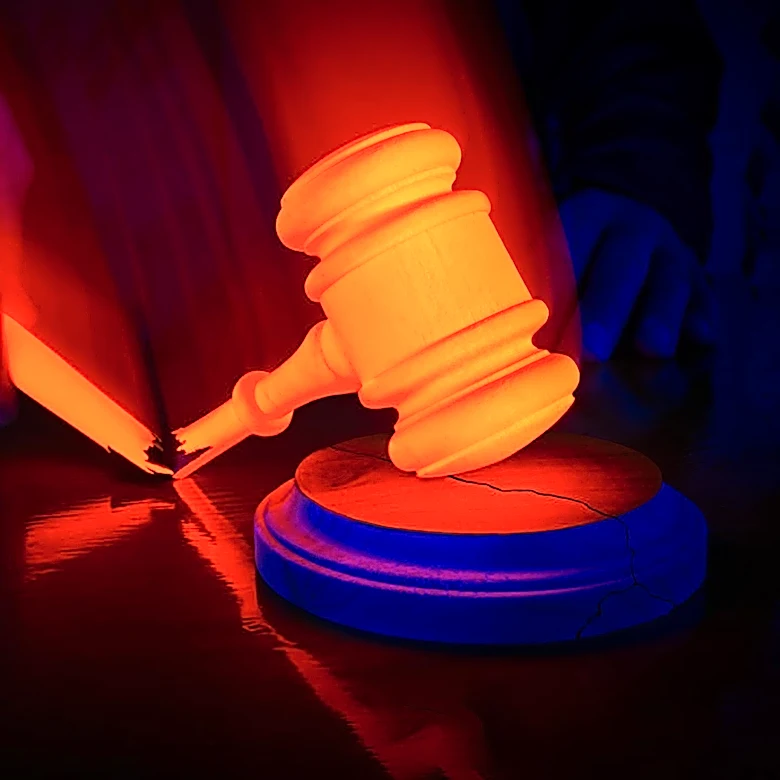
to ban the book was made after several school districts, including Davis, Jordan, Tooele, and Washington, determined that the content contained 'objective sensitive material' as defined by Utah law. This law categorizes such material as pornographic or indecent, and harmful to minors. The Utah state board of education maintains a list of banned books, which now includes 35 titles. The American Civil Liberties Union of Utah has filed a lawsuit against state officials, arguing that these bans violate the First and Fourteenth Amendments.
Why It's Important?
The banning of 'Different Seasons' highlights ongoing debates about censorship and educational content in the United States. This action reflects broader national discussions about what constitutes appropriate material for students and the role of state authorities in regulating educational content. The lawsuit filed by the ACLU underscores the tension between state regulations and constitutional rights, particularly the First Amendment's protection of free speech. The outcome of this legal challenge could have significant implications for educational policies and the rights of authors and publishers. It also raises questions about the balance between protecting minors and upholding freedom of expression.
What's Next?
The legal proceedings initiated by the ACLU will likely continue to unfold, potentially setting a precedent for future cases involving book bans in schools. Stakeholders, including educators, parents, and civil rights organizations, will be closely monitoring the case. The decision could influence how other states approach similar issues, potentially leading to changes in legislation or educational policies. Additionally, public discourse around the topic may intensify, with advocates on both sides of the issue voicing their perspectives on censorship and educational freedom.