




What's Happening?
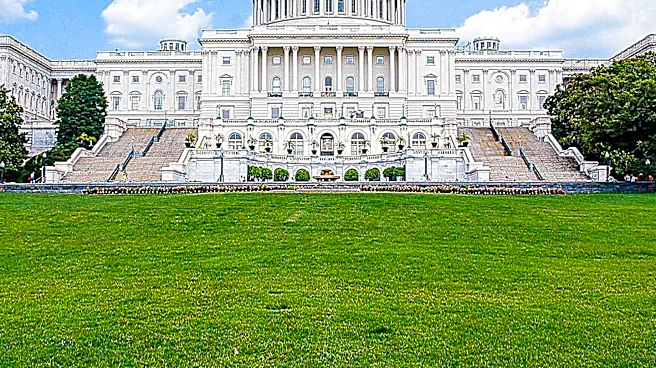
U.S. Senators Brian Schatz (D-Hawai'i) and Mazie K. Hirono (D-Hawai'i) have jointly introduced a Senate resolution aimed at officially designating September 2026 as 'Hawaiian History Month.' This legislative effort seeks to formally recognize and celebrate
the rich history and vibrant culture of Native Hawaiians and the state of Hawai'i. Senator Schatz emphasized that Hawaiian cultural traditions and values are integral to the unique identity of Hawai'i, viewing the proposed month as an opportunity to honor the contributions of the Native Hawaiian community and reaffirm commitment to protecting their rights. Senator Hirono echoed these sentiments, highlighting that Hawai'i's narrative is deeply rooted in the wisdom, leadership, and enduring heritage of Native Hawaiians, and expressed pride in acknowledging their immeasurable contributions across the islands and nationwide.
Why It's Important?
The proposed designation of September 2026 as Hawaiian History Month carries significant cultural and historical importance for the United States, particularly for the state of Hawai'i and its Native Hawaiian population. This resolution would provide a national platform to educate the public about the unique heritage, traditions, and historical struggles of Native Hawaiians, fostering a deeper understanding and appreciation of their contributions to American society. It underscores a commitment to cultural preservation and recognition, potentially inspiring similar initiatives for other indigenous groups. For Native Hawaiians, this official recognition could bolster efforts to protect their rights, promote their language, and ensure their cultural practices continue to thrive. It also serves as a reminder of the diverse tapestry of American history and the importance of acknowledging all its threads.
What's Next?
The resolution introduced by Senators Schatz and Hirono will now proceed through the legislative process within the Senate. The next steps would typically involve committee review, potential amendments, and a vote by the full Senate. If passed by the Senate, the designation would formally establish September 2026 as Hawaiian History Month, providing a dedicated period for educational programs, cultural events, and public awareness campaigns across the nation, particularly in Hawai'i. This could lead to increased funding or support for Native Hawaiian cultural institutions and educational initiatives during that month. The success of this resolution could also set a precedent for future legislative actions aimed at recognizing and celebrating the histories of other underrepresented communities within the United States.
Beyond the Headlines
Beyond the immediate recognition, the establishment of Hawaiian History Month could have profound long-term implications for cultural identity and historical narratives in the U.S. It could encourage a more inclusive approach to American history education, ensuring that the stories and perspectives of Native Hawaiians are integrated into broader curricula. This initiative might also stimulate further dialogue and action regarding indigenous rights, land sovereignty, and cultural preservation efforts, not just in Hawai'i but across other Native American communities. Ethically, it represents a step towards rectifying historical omissions and acknowledging the foundational contributions of indigenous peoples. Culturally, it could foster a renewed sense of pride and belonging among Native Hawaiians and promote cross-cultural understanding among all Americans, enriching the national identity.