





What's Happening?
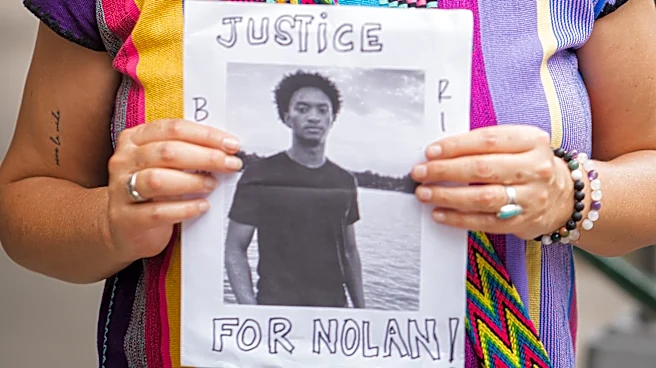
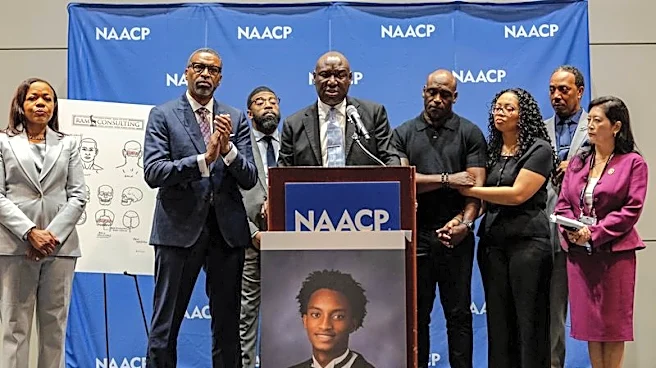
Mississippi Governor Tate Reeves has accused activists, including attorney Ben Crump and Rev. Al Sharpton, of inciting division in the case of Nolan Wells, an 18-year-old who disappeared and was later found dead. The controversy centers around the handling
of Wells' case, with accusations of a lack of transparency from Mississippi officials. The FBI is investigating threats made against public officials and individuals involved in the case. Mississippi Department of Public Safety Commissioner Sean Tindell reported that false information about Wells' death has led to increased threats and emotional responses. The case has drawn national attention, with some officials, like Rep. André Carson, criticizing the state's handling of the investigation.
Why It's Important?
The case of Nolan Wells has become a focal point for discussions on racial justice and transparency in law enforcement. The involvement of high-profile activists and the national attention it has garnered highlight ongoing tensions between communities and law enforcement agencies. The accusations of inciting division by Governor Reeves underscore the political and social complexities surrounding such cases. The investigation's outcome could impact public trust in Mississippi's legal and law enforcement systems, potentially influencing future policy and community relations. The case also raises questions about the role of media and public figures in shaping narratives around sensitive legal matters.
What's Next?
The FBI's involvement suggests that the investigation will continue to receive significant attention, with potential legal consequences for those making threats. Mississippi officials, including Attorney General Lynn Fitch, have emphasized the importance of maintaining the integrity of the investigation. As the case progresses, there may be further developments regarding the autopsy results and the circumstances of Wells' death. The state's response to the criticism and the handling of the investigation could influence public perception and policy changes related to law enforcement transparency and accountability.