

What's Happening?
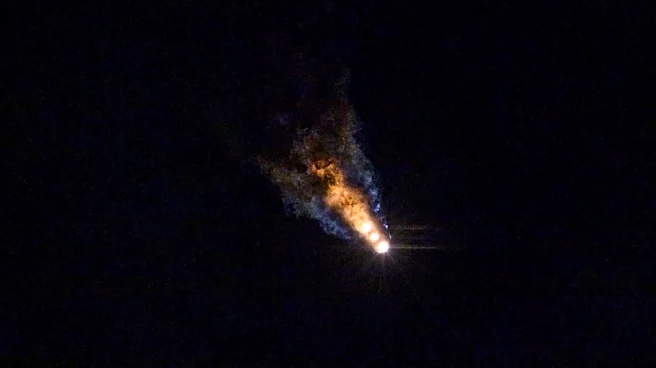
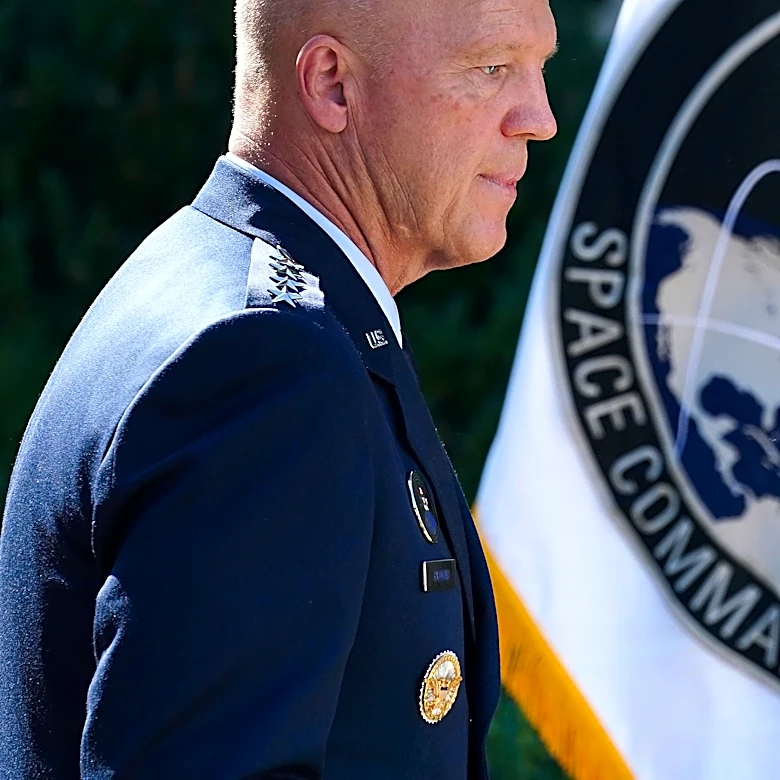
One of NASA’s primary space telescopes, the Swift Observatory, re-entered Earth's atmosphere on Wednesday, concluding its 22-year mission studying cosmic explosions. The U.S. Space Force confirmed Swift's re-entry near Indonesia, attributing its sinking
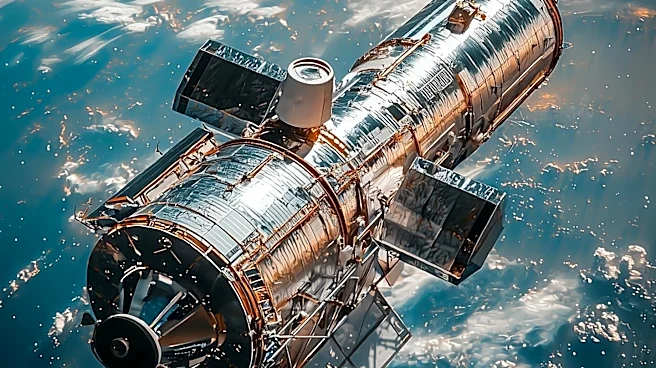
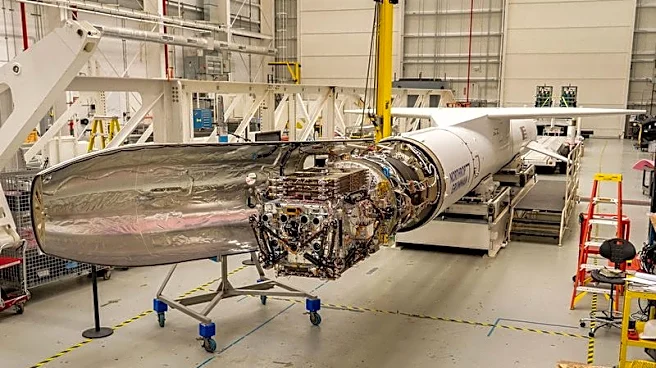
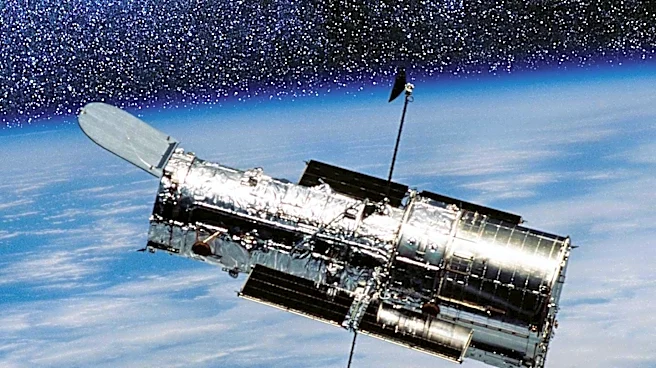
orbit to intense solar activity over the past few years. A last-ditch rescue attempt by NASA, involving a private company named Katalyst Space, failed when their orbit-boosting robotic craft crashed in September, less than three months after its July launch. Swift, launched in 2004 for an expected two-year mission, far exceeded its operational lifespan, observing thousands of gamma-ray bursts and exploding stars. NASA is currently assessing industry interest in a potential rescue mission for another aging observatory, the Hubble Space Telescope, which is projected to re-enter Earth's atmosphere by the mid-2030s due to similar orbital decay from solar storms.
Why It's Important?
The uncontrolled re-entry of the Swift Observatory marks the end of a highly successful mission that significantly advanced our understanding of the universe's most energetic phenomena. Its longevity and contributions to astrophysics underscore the value of long-term space missions. The failure of the rescue mission highlights the complexities and risks associated with in-orbit servicing and debris mitigation, especially for aging spacecraft. This event also brings into focus the broader challenge of managing space debris and the end-of-life plans for satellites. The consideration of a rescue mission for the Hubble Space Telescope is critical, as Hubble remains a cornerstone of astronomical research, providing invaluable data and images. Preserving Hubble's operational life or ensuring a controlled de-orbit is essential for scientific continuity and preventing potential hazards from uncontrolled re-entry of large space objects.
What's Next?
NASA is actively seeking input from private companies regarding potential solutions for the Hubble Space Telescope. These options include boosting Hubble's orbit, upgrading its systems, or guiding it to a controlled re-entry, or a combination of these actions. Any such mission would need to be executed by 2032. Unlike the rushed effort for Swift, NASA has more time to thoroughly explore and plan for Hubble's future. The agency's science mission chief, Nicky Fox, emphasized that 'Hubble still has important science ahead of it,' and NASA Administrator Jared Isaacman stated that 'we should be looking at every reasonable opportunity to keep it delivering for as long as possible.' The outcome of this industry assessment will determine the feasibility and approach for extending Hubble's operational life or ensuring its safe de-orbit, impacting future space exploration and scientific discovery.
Beyond the Headlines
The re-entry of the Swift Observatory and the ongoing discussions about Hubble's future underscore a growing concern in space operations: the sustainability of long-duration missions and the management of space assets. As more satellites are launched, the issue of orbital decay due to solar activity and the need for de-orbiting or servicing becomes more pressing. This situation could accelerate the development of advanced in-orbit servicing technologies, including robotic repair and refueling capabilities, which are crucial for extending the lifespan of valuable space assets and mitigating space debris. Furthermore, it highlights the increasing role of private companies in space operations, moving beyond just launch services to complex orbital maintenance. The decisions made regarding Hubble could set precedents for how future generations of space telescopes and scientific instruments are managed at the end of their operational lives, influencing international space policy and collaboration.