





What's Happening?
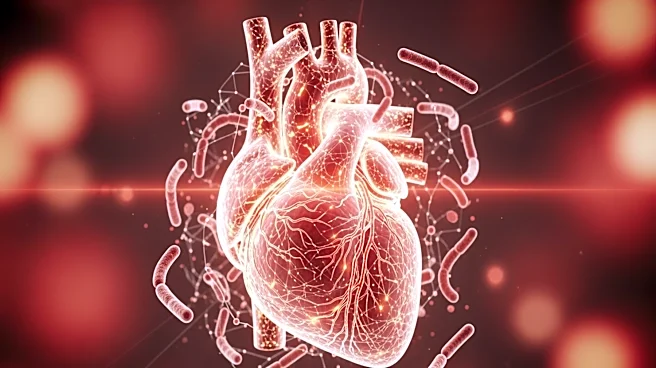
A recent review published in the journal npj Biofilms and Microbiomes highlights the potential influence of gut microbiota on heart attack recovery. The study suggests that microbial metabolites from the gut can impact inflammation, scarring, and recovery through
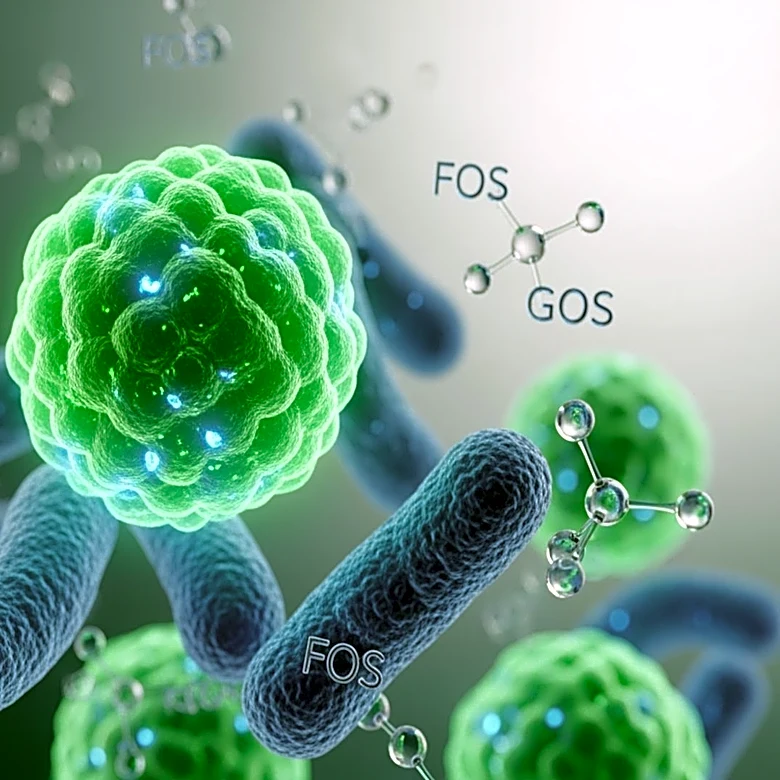
epigenetic mechanisms. The review examines how these metabolites, such as short-chain fatty acids (SCFAs) and trimethylamine N-oxide (TMAO), affect myocardial infarction (MI) outcomes. It notes that an imbalance in gut microbiota, known as dysbiosis, can lead to increased inflammation and heart damage. The study also discusses the role of epigenetics, including DNA methylation and histone modification, in regulating gene expression related to heart health. The findings suggest that gut microbiota could be a significant factor in cardiovascular disease risk and recovery.
Why It's Important?
The study's findings underscore the potential for new therapeutic approaches targeting gut microbiota to improve heart attack recovery. By understanding the gut-heart connection, researchers can explore dietary and pharmacological interventions to balance gut microbiota and enhance cardiac health. This could lead to the development of new treatments that reduce inflammation and promote heart repair, potentially improving outcomes for millions of heart attack patients. The research also highlights the importance of lifestyle factors, such as diet, in maintaining heart health and preventing cardiovascular disease.
What's Next?
Future research is needed to translate these insights into clinical therapies. Potential next steps include developing drugs that mimic beneficial microbial metabolites and exploring probiotics and fecal microbiota transplantation as treatments for gut dysbiosis. These therapies could decrease inflammation and improve cardiac health. However, challenges remain, such as individual differences in patient responses and the clinical safety of these therapies. Further studies are required to address these issues and validate the efficacy of gut microbiota-targeted treatments.
Beyond the Headlines
The study opens up new avenues for understanding heart disease as a systemic condition influenced by gut microbiota and epigenetic regulation. It suggests that heart attacks are not solely cardiovascular events but are also affected by the body's microbial environment. This perspective could lead to a paradigm shift in how heart disease is treated, emphasizing the role of gut health in overall cardiovascular wellness. The research also highlights the potential for personalized medicine approaches that consider individual differences in gut microbiota composition.