







What's Happening?
The International Commission for the Conservation of Atlantic Tunas (ICCAT) is holding its 25th special meeting in Vilamoura, Portugal, from November 16 to November 23. Delegates from 56 member states, including the EU, the USA, Japan, and China, are
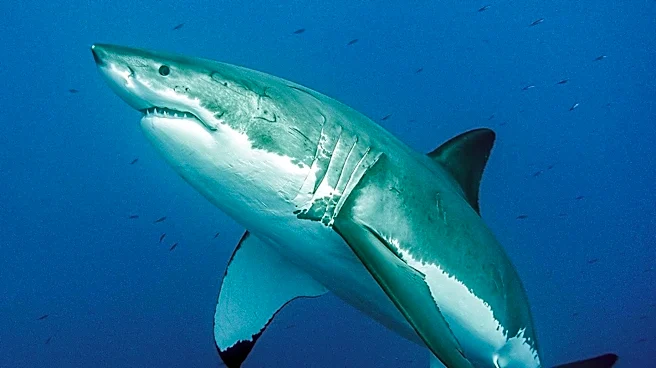
negotiating fisheries regulations for highly migratory species in the Atlantic, which include sharks, swordfish, and marlin. A significant focus of the meeting is shark conservation, as oceanic shark and ray stocks have declined by 71% since 1970, primarily due to an 18-fold increase in fishing pressure. The shortfin mako shark, for instance, has been listed as endangered on the IUCN Red List since 2019, with an estimated 25,000 dying as by-catch in the Atlantic swordfish fishery annually. The German Foundation for Marine Conservation (DSM) is advocating for the ban on landing mako sharks in the North Atlantic to remain strong and for a management strategy for blue sharks to be implemented.
Why It's Important?
The decisions made by ICCAT have profound implications for the health of Atlantic marine ecosystems and the sustainability of global fisheries. The drastic decline in shark populations, particularly the endangered shortfin mako, highlights a critical ecological imbalance. Sharks are apex predators, and their diminishing numbers can lead to cascading effects throughout the marine food web, impacting other species and the overall biodiversity of the ocean. For the U.S. and other member states, effective conservation measures are crucial not only for environmental stewardship but also for the long-term viability of their fishing industries. The issue of by-catch, where non-target species like sharks are inadvertently caught, underscores the need for improved fishing practices and gear modifications. Furthermore, the ongoing debate over 'Fins Naturally Attached' regulations, which the EU and U.S. support but Japan and China oppose, reflects a broader international challenge in harmonizing conservation goals with economic interests.
What's Next?
The ICCAT meeting is expected to conclude on November 23, with decisions on various fisheries regulations, including those pertaining to sharks. Key areas of focus will be the reinforcement of the landing ban for mako sharks in the North Atlantic and the potential adoption of a management strategy for blue sharks, similar to the successful one implemented for Atlantic bluefin tuna. The ongoing disagreement regarding the 'Fins Naturally Attached' rule for shark finning will also be a critical point of discussion, with continued pressure from conservation groups and some member states for its adoption. The outcome of these negotiations will determine the immediate future of shark conservation efforts in the Atlantic. The DSM has expressed concern over Germany's absence from the meeting, highlighting the need for strong and unified international commitment to address these pressing issues.
Beyond the Headlines
The ICCAT meeting underscores the complex interplay between international diplomacy, scientific evidence, and economic pressures in global conservation efforts. The decline of shark populations is not merely an environmental issue but also a matter of food security and economic sustainability for many nations. The resistance to stricter regulations, such as the 'Fins Naturally Attached' rule, often stems from economic considerations and differing national priorities, revealing the challenges in achieving consensus on global environmental governance. The by-catch problem also points to the broader issue of unsustainable fishing practices and the need for technological innovation in fishing gear to minimize harm to non-target species. Ultimately, the long-term health of marine ecosystems depends on the willingness of international bodies like ICCAT to prioritize conservation based on scientific data, even when faced with short-term economic trade-offs.