






What's Happening?
The 250th anniversary of George Washington's crossing of the Delaware River and the subsequent Battle of Trenton is approaching in December 2026. This pivotal event in American history, which occurred on the stormy night of December 25-26, 1776, saw Washington lead
approximately 2,400 soldiers across the icy Delaware from Pennsylvania into New Jersey. The surprise attack on the Hessian garrison at Trenton the following morning resulted in a crucial victory for the struggling Continental Army. This event, along with a subsequent win at Princeton on January 3, 1777, is historically known as the 'Ten Crucial Days.' The crossing involved long, heavy Durham boats, with artillery and horses transported on flat-bottomed ferries, all managed by the Marblehead regiment led by Col. John Glover. Despite the harsh weather, Washington pressed on, leading to a swift American victory with minimal casualties. The Washington Crossing Historic Park plans two reenactments for the 250th anniversary: the First Crossing Reenactment on Sunday, December 13, 2026, and the Christmas Day Crossing Reenactment on Friday, December 25, 2026. Additionally, the 'Ten Crucial Days 250' event from December 24-27, 2026, will feature living history demonstrations at various historical sites.
Why It's Important?
The crossing of the Delaware and the Battle of Trenton were critical turning points in the American Revolutionary War, significantly boosting the morale of the Continental Army and renewing public faith in the cause of independence. After a series of defeats, this victory demonstrated that the American forces could still win, providing a vital reason for soldiers to continue fighting and for citizens to maintain their belief in the Revolution. The historical significance extends beyond military success, as it solidified George Washington's leadership and strategic prowess. The event also contributed to the enduring narrative of American resilience and determination against overwhelming odds. The upcoming 250th anniversary celebrations serve as a crucial opportunity for public education and remembrance, ensuring that future generations understand the sacrifices and pivotal moments that shaped the nation. These commemorations also highlight the importance of preserving historical sites and traditions, fostering a deeper connection to the country's founding principles.
What's Next?
Leading up to December 2026, preparations for the 250th anniversary celebrations will intensify. Washington Crossing Historic Park and other associated historical sites will likely finalize their schedules for reenactments and living history events. Public outreach and educational programs will be launched to engage a wider audience, including schools and historical enthusiasts. There may be increased tourism to the historical parks in Pennsylvania and New Jersey as the anniversary approaches, drawing visitors interested in experiencing the historical context firsthand. Media coverage will likely increase, focusing on the historical details, the significance of the event, and the planned commemorations. Local communities around these historical sites may also organize complementary events and activities to mark the occasion. The focus will be on ensuring that the historical accuracy and the profound impact of Washington's crossing are effectively conveyed to all participants and observers.
Beyond the Headlines
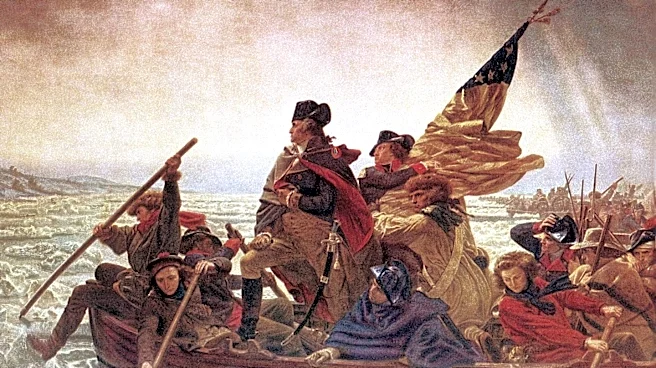
Beyond the immediate celebrations, the 250th anniversary of Washington's crossing offers a deeper reflection on the nature of leadership, perseverance, and national identity. The story of the crossing, often romanticized in art like Emanuel Leutze's famous painting, prompts discussions about historical accuracy versus popular narrative. For instance, the painting depicts an American flag that did not exist in 1776 and a dawn crossing, whereas the actual event occurred in the dark of night. These discrepancies highlight the way historical events are interpreted and reinterpreted over time, shaping collective memory. The event also underscores the critical role of seemingly small victories in sustaining a larger cause, demonstrating how a single, well-executed strategic move can alter the course of history. Furthermore, the enduring appeal of this story speaks to a fundamental human desire for narratives of triumph against adversity, reinforcing core American values of courage and determination.