





What's Happening?
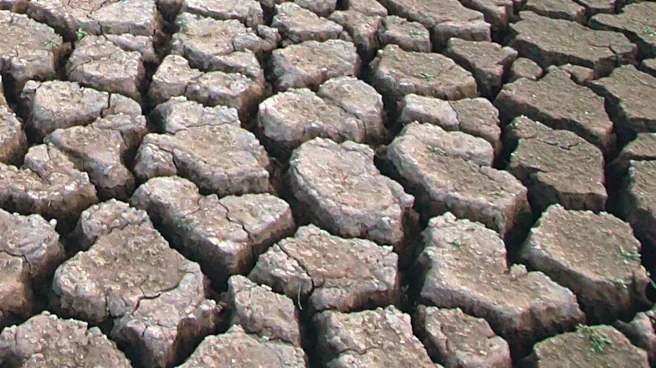
Following a historically dry winter and the worst snowpack on record, several Colorado towns, including Kremmling, faced severe water shortages, with municipal reservoirs critically low and ditches completely dry. Kremmling's town manager, Jen MacPherson,
recognized the imminent threat of the town running out of water, leading to the implementation of strict water restrictions, such as bans on green lawns and car washes. Compounding the crisis, the town's backup water pump was found to be broken. In an unprecedented act of cooperation, farmers in the Grand Valley, who typically hold senior water rights, voluntarily agreed to a significant reduction in their water usage. This sacrifice provided crucial relief for upstream communities like Kremmling. Additionally, the Colorado River Water Conservation District facilitated an emergency release of water from upstream reservoirs. A local ranch, the Colorado River Cattle Ranch, further contributed by allowing one of its hayfields to go completely dry to conserve water for the town. These collective efforts successfully prevented Kremmling from running out of water during the severe drought.
Why It's Important?
This collaborative effort in Colorado offers a significant case study in adaptive water management during extreme drought conditions, highlighting a successful, albeit temporary, model of inter-community and inter-sectoral cooperation. It underscores the severe and escalating impact of climate change on water resources in the American West, compelling communities to innovate and adapt their water usage strategies. The voluntary water cuts by farmers, who possess senior water rights, represent a notable departure from traditional Western water law, suggesting a potential shift towards more flexible and collaborative resource allocation. The economic implications are substantial, as farmers face reduced yields or crop changes, while towns incur costs for emergency measures and infrastructure repairs. This situation also emphasizes the vulnerability of smaller towns to climate impacts and the critical need for robust infrastructure and contingency planning to ensure water security.
What's Next?
While Kremmling successfully navigated the immediate crisis, with a new water treatment plant and a repaired backup pump expected soon, its reservoirs remain critically low. The cooperative measures implemented this year, particularly the emergency water release, may not be sustainable or repeatable in future severe drought years. The long-term challenge for Colorado and other Western states is to develop more permanent, equitable, and climate-resilient solutions for water allocation and management. Farmers will continue to face difficult decisions regarding crop selection and water efficiency. Communities across the region will likely continue to prioritize water conservation efforts and invest in infrastructure improvements, while also hoping for sufficient snowpack in future winters to replenish their vital water supplies.
Beyond the Headlines
The story of cooperation in Colorado transcends a simple account of drought management; it delves into deeper themes of community resilience, shared responsibility, and the human capacity for adaptation in the face of environmental adversity. It implicitly challenges the adequacy of existing water laws and policies to address the realities of a changing climate, suggesting a need for legal and regulatory reforms that prioritize collective well-being over historical entitlements. The sacrifices made by farmers, such as letting fields go dry, vividly illustrate the profound economic and personal costs associated with water scarcity in agricultural regions. This narrative highlights the intricate interconnectedness of urban and rural water users, demonstrating how their fates are inextricably linked within a shared watershed. Ultimately, this local success story serves as a microcosm for the larger water challenges confronting the entire Colorado River Basin and other drought-prone regions globally, offering both hope and a stark warning.