






What's Happening?
A critical analysis of modern tourism highlights a model termed 'tourism extractivism,' where the environments, labor, resources, and culture of tourist destinations are exploited for short-term profit, often at the expense of sustainability and local
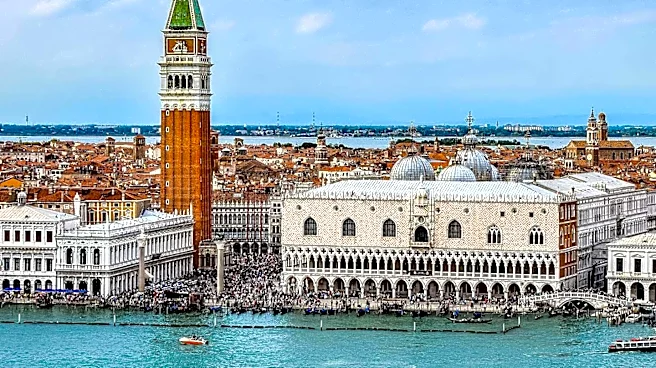
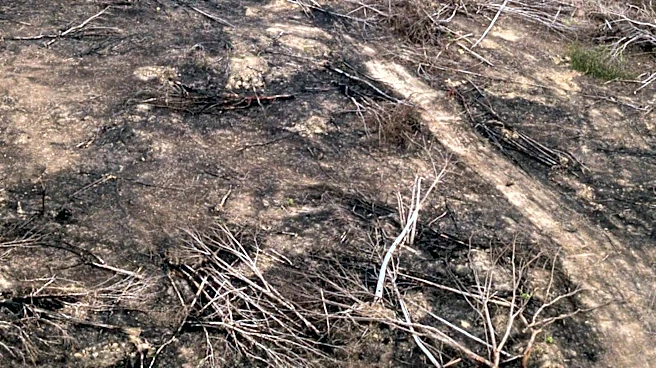
well-being. This model is exemplified by practices such as enclave tourism, including all-inclusive resorts and cruises, which allow visitors to remain isolated from local communities. The construction of tourist accommodations and overtourism contribute to environmental degradation, habitat destruction, pollution, and the displacement of residents. Examples cited include locals in Peru being pushed to marginal neighborhoods, degradation of archaeological sites, and destruction of coral reefs in the Maldives. Economically, this model often leads to economic leakage, where money generated by tourism barely benefits local communities, and reinforces a global power imbalance where Global South nations remain dependent on Western investors.
Why It's Important?
The critique of tourism extractivism is significant because it challenges the conventional narrative of tourism as a universally beneficial economic driver. It exposes the negative externalities often borne by local communities and environments, particularly in developing nations. This model perpetuates economic inequality, as foreign corporations frequently own a majority of hotels, seeking lower taxes and wages, and importing most of their supplies, thus limiting local economic stimulation. The displacement of residents, rising local prices due to tourist demand, and the commodification of local cultures through 'faux-authentic' attractions underscore the social injustices inherent in this approach. Recognizing these issues is crucial for advocating for more equitable and sustainable tourism practices that prioritize the well-being of host communities and their environments.
What's Next?
Addressing the issues raised by tourism extractivism will require a fundamental shift in tourism development models. This could involve increased regulations and taxes on foreign companies, investment in economic diversification to reduce reliance on tourism, and financing for sustainable, locally integrated alternatives. Tourists are encouraged to question destinations, patronize local and Indigenous-owned accommodations, and seek out community-based tourism organizations to ensure their money circulates within the local economy. Policy changes aimed at improving workers' rights and environmental protections, rather than incentivizing their neglect to attract investors, are also crucial. The conversation calls for both individual choices and structural changes to dismantle colonial legacies and promote more responsible travel.
Beyond the Headlines
The concept of tourism extractivism delves into deeper ethical and historical implications, linking modern tourism practices to historical colonialism and global power imbalances. It highlights how the desire for comfort and exotic experiences by tourists from wealthier nations can inadvertently contribute to the exploitation of land, labor, and culture in less developed regions. This perspective challenges individuals to recognize their complicity within these global systems and to consider the broader impact of their travel choices. It also raises questions about cultural authenticity and appropriation, as traditional practices are often flattened into performances for outside consumption, with little benefit returning to Indigenous artists and communities. Ultimately, it calls for a re-evaluation of the entire tourism industry to ensure that economic benefits are shared equitably and that cultural and environmental integrity are preserved.