





What's Happening?
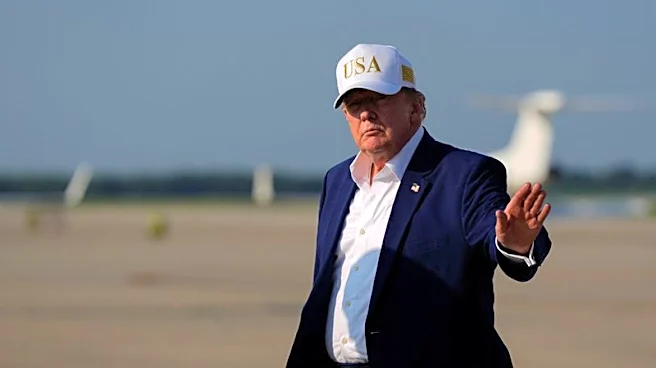
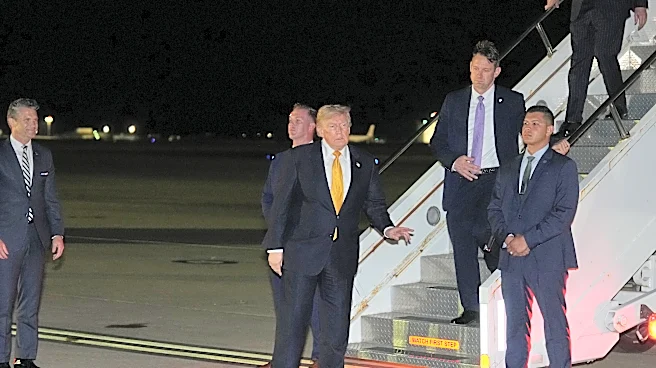
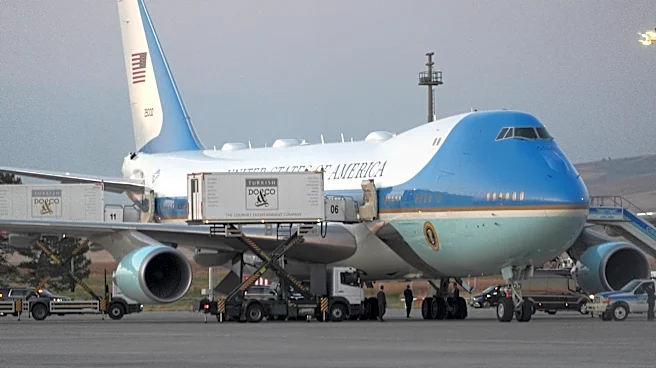
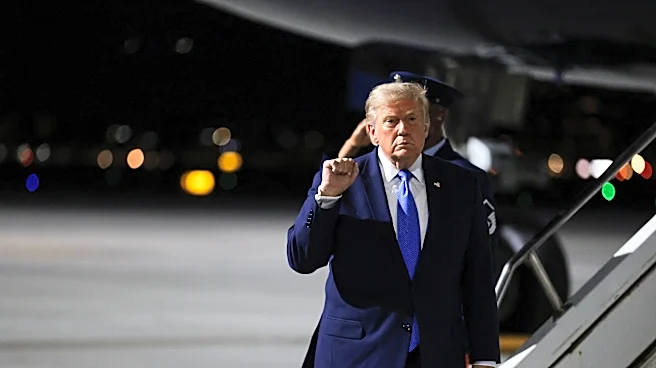
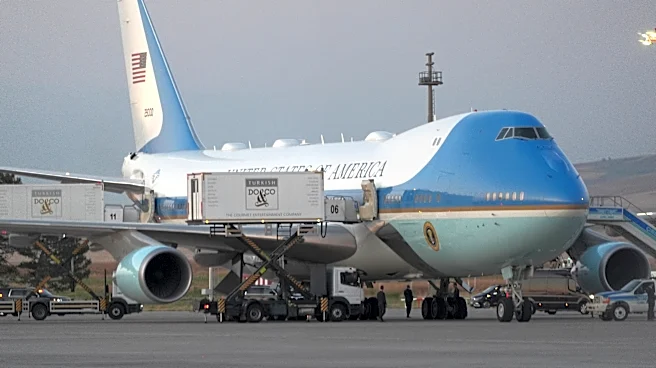
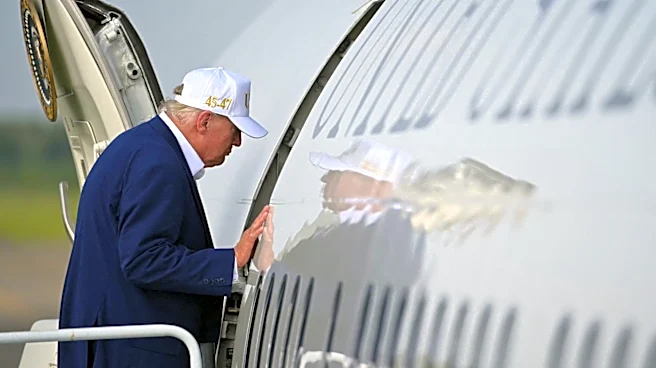
US intelligence officials expressed skepticism over Israeli warnings about Iranian assassination threats against President Trump, which led to a change in his travel plans after a NATO summit in Turkey. According to a Washington Post report, CIA analysts
viewed the Israeli intelligence as low confidence and not compelling. Some officials suggested that the warnings were intended to influence Trump's decision-making in the region. Despite the skepticism, the US Secret Service took the threats seriously, implementing measures to protect the president.
Why It's Important?
The skepticism from US intelligence highlights potential tensions in the intelligence-sharing relationship between the US and Israel. It raises questions about the reliability and motives behind intelligence reports, especially when they could influence significant political decisions. The situation underscores the challenges in assessing threats and the importance of maintaining robust security protocols for high-profile figures like President Trump. The incident also reflects the complexities of international relations and intelligence operations, where different agencies may have varying interpretations of the same data.
What's Next?
The US may review its intelligence-sharing protocols with Israel to ensure that future warnings are evaluated with appropriate scrutiny. The Secret Service is likely to continue its rigorous security measures for President Trump, given the history of threats. This incident may prompt discussions within the US government about the balance between acting on intelligence warnings and maintaining diplomatic relations with allies. The broader implications for US-Israel relations and regional security dynamics will depend on how both countries address the underlying issues of trust and cooperation in intelligence matters.