
What's Happening?
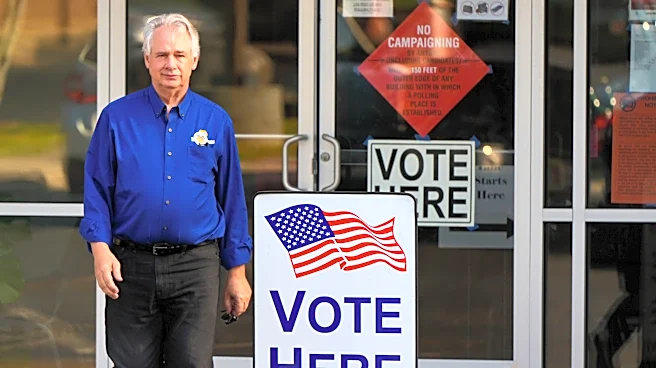
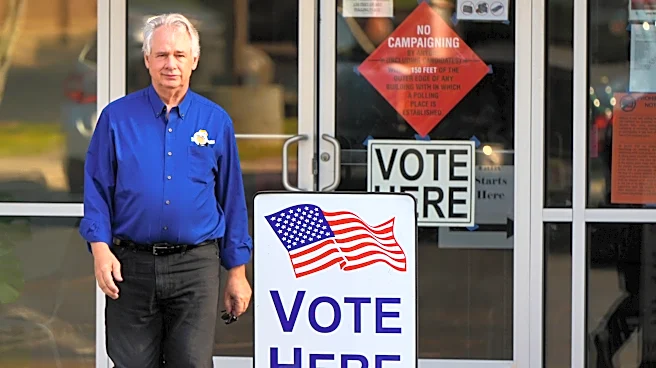
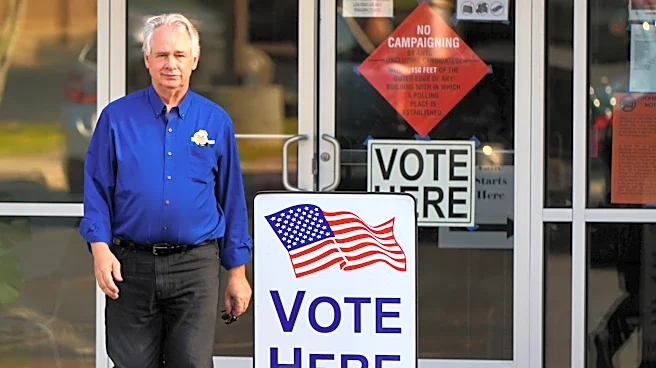
Pennsylvania voters are participating in the 2026 primary election, a significant event where they will select their party's candidates for governor and lieutenant governor. This election is crucial as
it involves all 203 state House seats and half of the 50 state Senate seats. The Republican Party is aiming to maintain its control, while the Democrats are striving to gain a majority in the state Senate, a position they have not held for over three decades. Additionally, all but one of the commonwealth's 17 U.S. House members are running for reelection. The primary election is a pivotal moment for both parties as they prepare for the upcoming general elections.
Why It's Important?
The outcome of the Pennsylvania primary election holds significant implications for the political landscape of the state and potentially the nation. With all state House seats and half of the state Senate seats up for grabs, the election could shift the balance of power in the state legislature. For the Democrats, gaining control of the state Senate would mark a historic change, potentially influencing legislative priorities and policy directions. For Republicans, maintaining control is crucial to continue their legislative agenda. The results will also set the stage for the general elections, impacting the composition of Pennsylvania's representation in Congress and the direction of state governance.
What's Next?
As the polls close at 8 p.m., the focus will shift to the counting of votes and the announcement of results. The outcomes will determine the candidates for the general election, setting the stage for the next phase of campaigning. Political analysts and party strategists will closely examine the results to gauge voter sentiment and adjust their strategies accordingly. The results could also influence national political dynamics, especially if significant shifts occur in Pennsylvania's political representation.