





What's Happening?
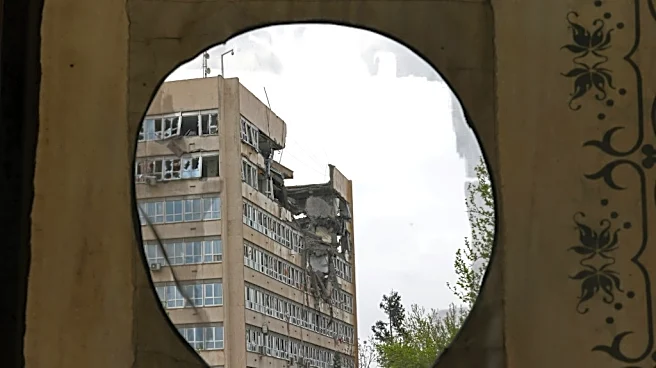
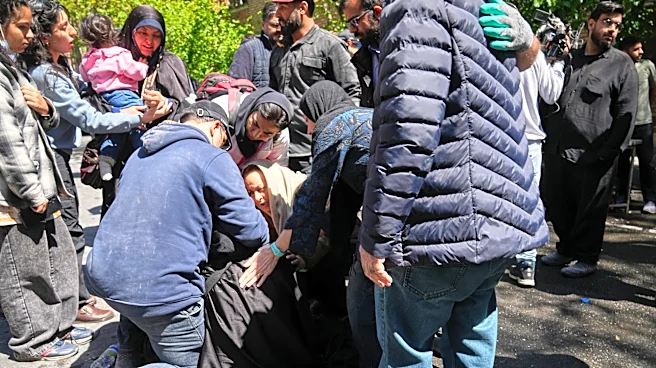
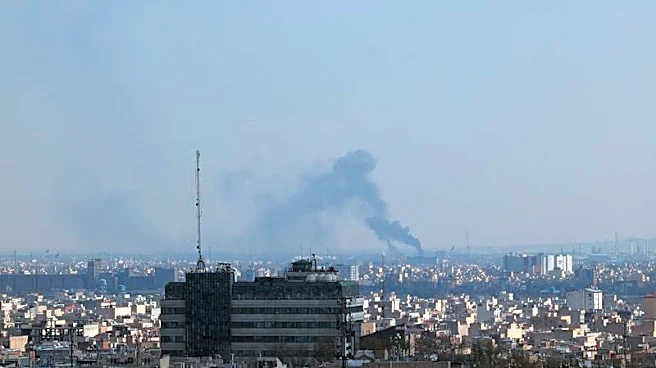
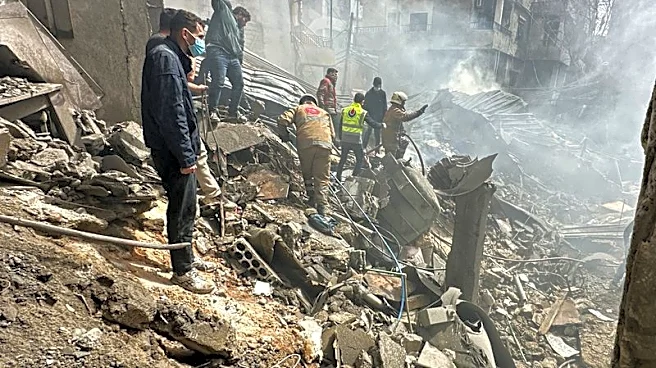
Reports from Lebanese media indicate that strikes have occurred in southern Lebanon, despite a recently announced ceasefire between the US, Israel, and Iran. Initial reports attribute the strikes to Israel, with at least four casualties reported. The
Israeli Defense Forces have been active in the Tyre District, targeting Hezbollah, which they accuse of using civilian infrastructure for attacks. The Israeli military has not confirmed its involvement in the strikes. The ceasefire's scope remains unclear, with conflicting statements about whether it includes Lebanon. Prime Minister Netanyahu has stated that the ceasefire does not apply to Lebanon, contradicting other reports.
Why It's Important?
The reported strikes in Lebanon highlight the fragile nature of the ceasefire and the complexities of the regional conflict. The situation underscores the challenges in achieving a comprehensive peace agreement that addresses the interests of all parties involved. The ongoing hostilities in Lebanon could exacerbate tensions and undermine efforts to stabilize the region. The uncertainty surrounding the ceasefire's scope reflects the broader geopolitical challenges in the Middle East, where multiple actors have competing interests and agendas.
What's Next?
The international community will likely call for clarity on the ceasefire's terms and push for a cessation of hostilities in Lebanon. Diplomatic efforts may focus on expanding the ceasefire to include all affected areas, including Lebanon. The situation requires careful management to prevent further escalation and to work towards a sustainable peace agreement. Key stakeholders, including the US, Israel, and regional powers, will need to engage in dialogue to address the underlying issues driving the conflict.