








What's Happening?
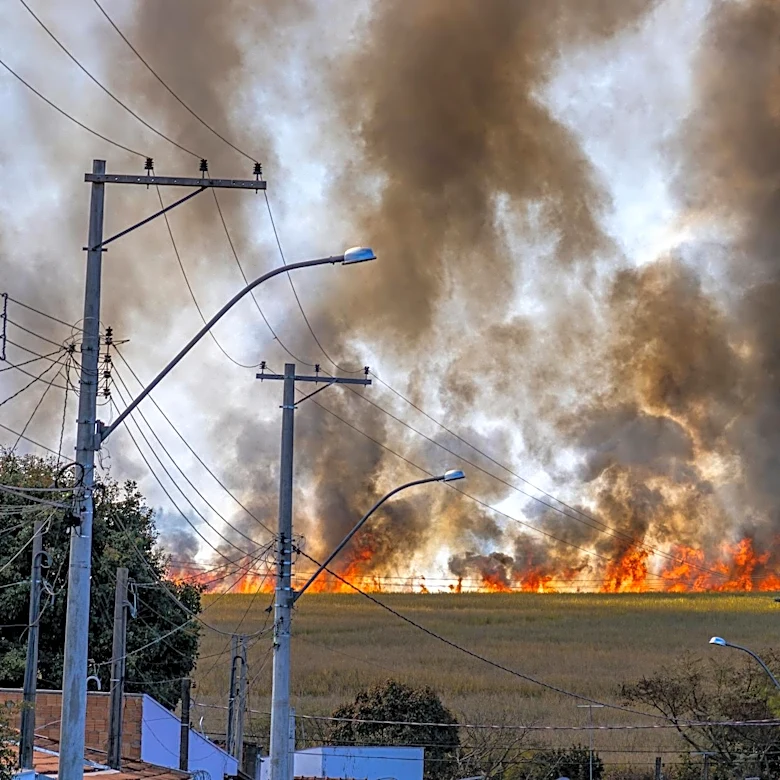
At the American Society of Clinical Oncology (ASCO) 2026 session, experts discussed the compounded challenges faced by cancer care due to natural disasters, wars, and policy decisions. Dr. Manali Patel from Stanford University highlighted the lack of data
connecting climate-related natural disasters to cancer outcomes, despite evidence of increased mortality rates among cancer patients exposed to such events. The session emphasized the need for proactive emergency planning in hospitals, drawing lessons from past experiences like the Texas Medical Center's response to Tropical Storm Allison. The discussion also covered the impact of geopolitical conflicts on cancer care access, particularly in war-torn regions, and the challenges faced by undocumented immigrants in the U.S. in accessing cancer treatment.
Why It's Important?
The discussion at ASCO underscores the critical need for healthcare systems to adapt to the increasing frequency and severity of natural disasters, which can disrupt medical care and supply chains. The lack of comprehensive data on the long-term impact of these events on cancer outcomes suggests that the true extent of the problem may be underestimated. This has significant implications for public health policy and resource allocation, as healthcare providers must develop robust emergency response plans to ensure continuity of care. Additionally, the session highlighted the broader social and political issues affecting healthcare access, such as immigration policies and international conflicts, which can exacerbate disparities in cancer treatment availability.
What's Next?
Hospitals and healthcare providers are encouraged to develop specific emergency plans for natural disasters, beyond general 'all hazards' plans, to better prepare for future disruptions. The healthcare industry may need to reevaluate infrastructure and supply chain designs to mitigate the impact of such events. On a policy level, there is a call for greater international cooperation and equity in addressing healthcare access in conflict zones and among displaced populations. Advocacy for policy changes to improve healthcare access for undocumented immigrants in the U.S. is also a potential area of focus for oncologists and healthcare professionals.