

What's Happening?
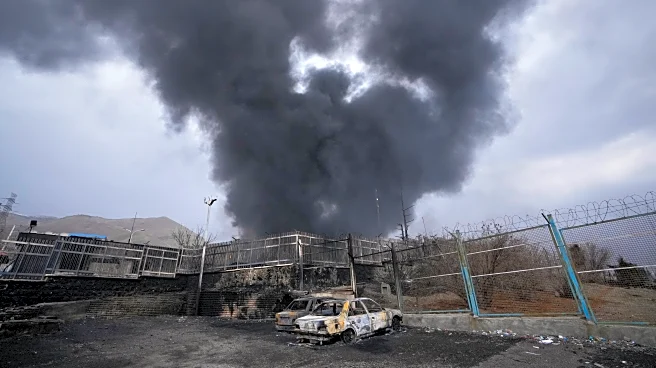
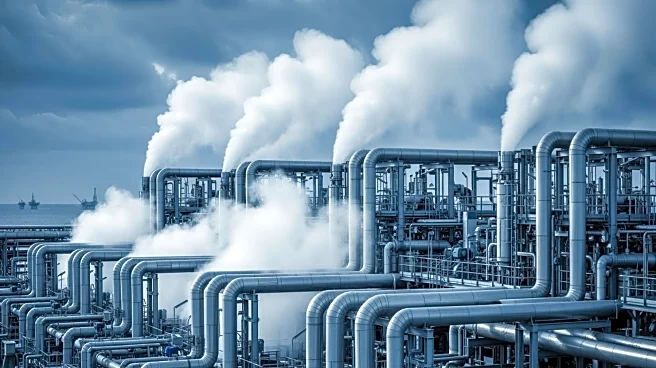
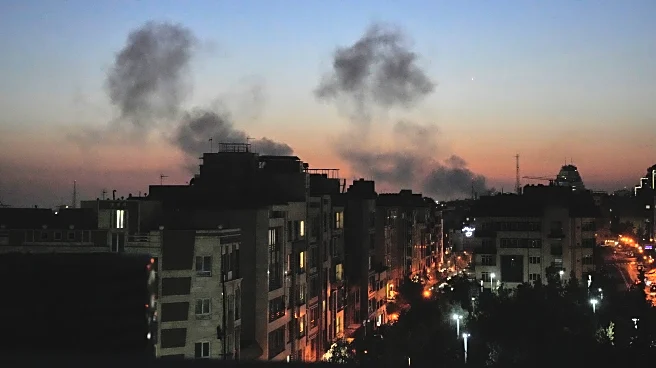
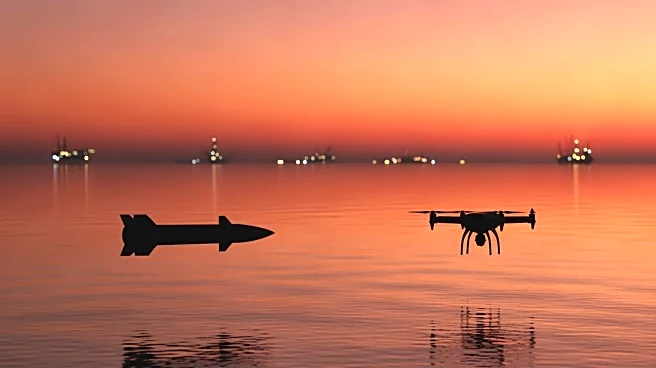
The Persian Gulf's reliance on desalination for water supply is under threat due to the ongoing conflict involving Iran, the U.S., and Israel. Desalination plants, which provide the majority of drinking water in Gulf states, are vulnerable to missile
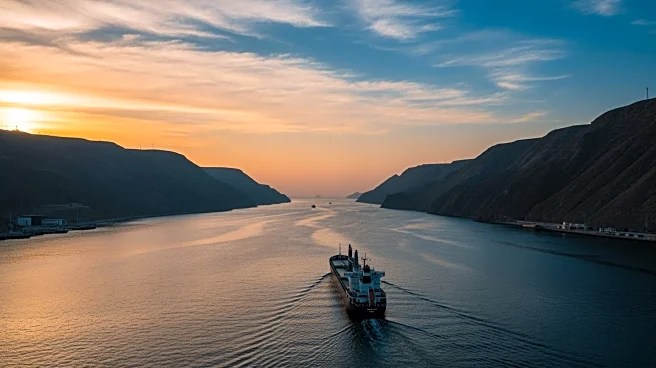
and drone strikes. Recent attacks have damaged facilities in Bahrain and Iran, raising concerns about water shortages. The conflict has already disrupted energy production and shipping routes, impacting global oil markets. Analysts warn that the vulnerability of desalination infrastructure could lead to severe humanitarian crises if major plants are knocked offline.
Why It's Important?
The potential disruption of desalination plants in the Persian Gulf could have dire consequences for regional stability and global markets. Water shortages could force evacuations and exacerbate humanitarian needs, while disruptions to energy production could impact global oil prices. The situation highlights the strategic importance of water infrastructure in the region and the broader geopolitical tensions at play. The reliance on desalination also raises environmental concerns, as the process is energy-intensive and contributes to carbon emissions. The conflict underscores the need for international efforts to protect critical infrastructure and address the root causes of regional tensions.
What's Next?
Continued conflict could lead to further attacks on desalination infrastructure, exacerbating water shortages and humanitarian needs. Gulf states may need to enhance the protection of their water facilities and explore alternative water sources or storage solutions. The international community may need to address the legal and ethical implications of targeting civilian infrastructure in conflict zones, as well as the environmental impact of desalination. Diplomatic efforts to de-escalate the conflict and protect critical infrastructure will be crucial in preventing further crises.