




What's Happening?
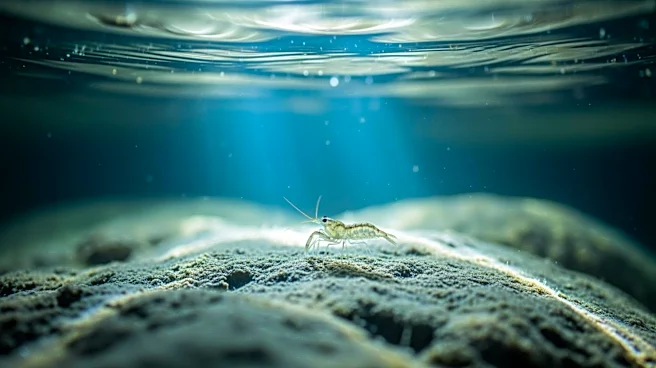
A study published in Subterranean Biology reveals that a vast underground ecosystem beneath Mexico's Yucatán Peninsula depends on a small crustacean, Typhlatya shrimp. These shrimp feed on microbial mats formed by methanotrophic bacteria, which convert
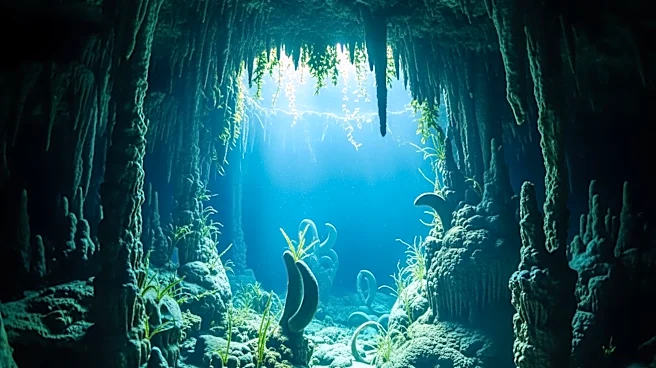
methane into energy, supporting a unique food web in the absence of sunlight. The ecosystem, located in anchialine caves, relies on organic debris from the surface, highlighting a delicate balance between surface and subsurface processes. The study emphasizes the shrimp's role as a keystone species, crucial for the survival of other organisms in this isolated environment.
Why It's Important?
This discovery highlights the complexity and interdependence of subterranean ecosystems, which are vulnerable to changes in surface conditions. The findings underscore the importance of preserving the surface environment to maintain the delicate balance of these ecosystems. As human activities such as urbanization and deforestation increase, the stability of these systems is threatened, potentially disrupting the food web and leading to ecological collapse. Understanding these dynamics is crucial for conservation efforts and for predicting the impacts of environmental changes on subterranean biodiversity.
What's Next?
Researchers may focus on monitoring the impacts of human activities on the Yucatán Peninsula's surface environment to prevent disruptions to the subterranean ecosystem. Conservation strategies could be developed to protect these unique habitats, emphasizing the need for sustainable land use practices. Further studies might explore the potential for similar ecosystems in other regions, contributing to a broader understanding of subterranean biodiversity and its role in global ecological processes.