



What's Happening?
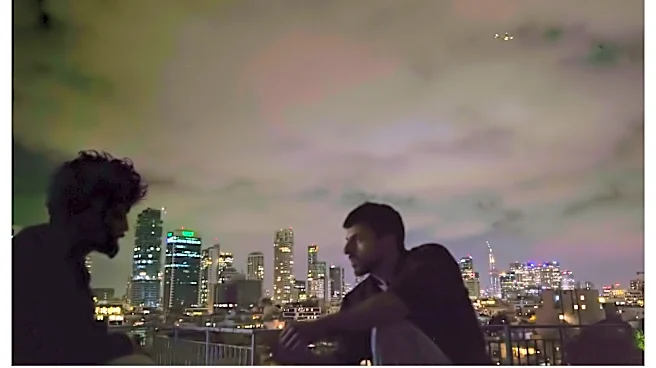
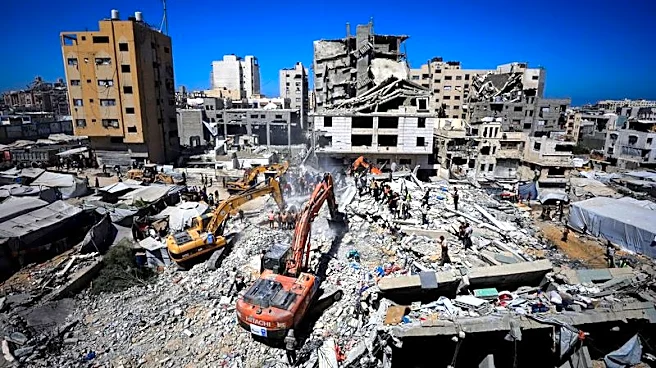
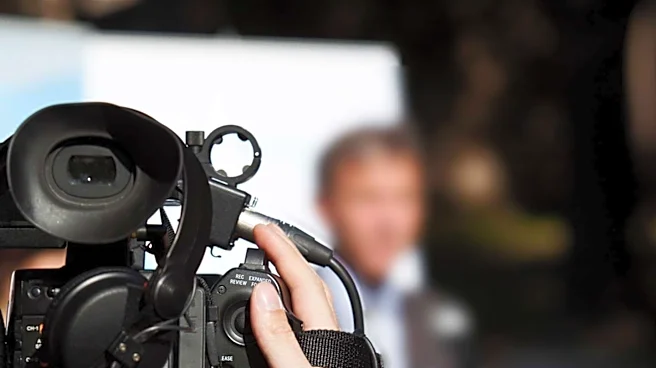
Gazan photojournalist Motaz Azaiza is facing calls for consequences after he admitted in a podcast interview to withholding footage of Israeli hostages being beaten on October 7, 2023. Azaiza stated his decision was to protect the Palestinians filmed
in the footage, fearing they would be identified and killed by Israel. This revelation has prompted questions from media institutions and the public regarding journalistic ethics and the responsibility to document suffering honestly. Critics argue that Azaiza could have protected identities through methods like blurring faces or arranging independent verification of the footage, rather than suppressing it entirely. The incident highlights broader concerns about the pressures faced by journalists in conflict zones and the potential for information to be manipulated or withheld.
Why It's Important?
This situation is important as it raises critical questions about journalistic integrity, the ethical obligations of photojournalists in conflict zones, and the public's right to accurate information. The decision to withhold footage of such a significant event can impact historical records and public understanding of the conflict. For U.S. media organizations and the broader journalistic community, this incident prompts a re-evaluation of standards for reporting from areas like Gaza, especially concerning the balance between protecting sources and ensuring comprehensive, unbiased coverage. It also underscores the challenges of verifying information and the potential for narratives to be shaped by individual decisions, affecting how the U.S. public perceives the Israeli-Palestinian conflict and the role of media in it.
What's Next?
The Jerusalem Post editorial calls for Azaiza to preserve his footage and allow independent verification, with safeguards for the victims. It also suggests that established ethical misconduct should lead to consequences regarding commissions, partnerships, and honors. Media institutions that have promoted Azaiza are urged to publicly investigate his explanation. This situation could lead to increased scrutiny of reporting practices in conflict zones and potentially influence how news organizations vet and support journalists operating in such environments. There may also be further discussions within journalistic circles about the protocols for handling sensitive footage and the responsibilities of photojournalists when faced with difficult ethical dilemmas.
Beyond the Headlines
Beyond the immediate controversy, this incident touches upon the complex ethical landscape of war journalism, particularly in highly polarized conflicts. It highlights the immense pressure journalists face, not only from warring factions but also from the need to protect individuals while fulfilling their duty to inform. The debate over Azaiza's actions could lead to a deeper examination of the role of local journalists in international reporting, the power dynamics between international media and local stringers, and the potential for intimidation or self-censorship. It also brings to the forefront the ongoing challenge of maintaining objectivity and trust in an era where information is easily disseminated but often difficult to verify, especially when narratives are contested and emotionally charged.