




What's Happening?
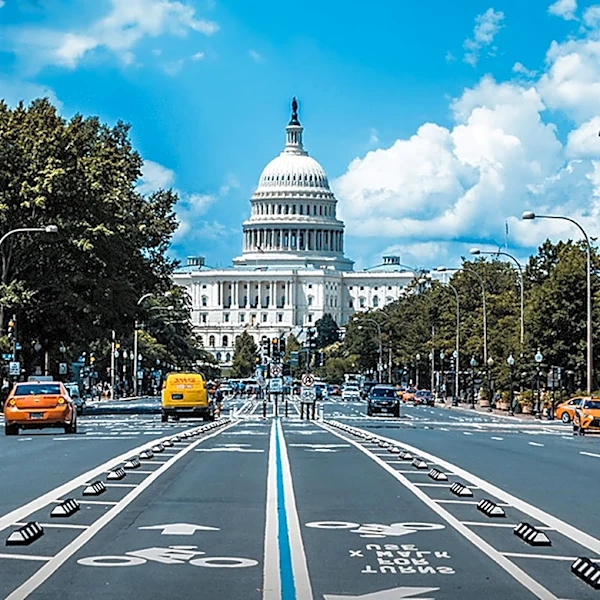
EdChoice Legal Advocates (EdLA) has filed an amicus brief with the U.S. Supreme Court, advocating for the review of a California religious freedom case, Woolard v. Thurmond. The case involves religious parents challenging California's independent study
program, which funds home education where parents select curricula and materials. However, the program prohibits the use of religious materials, even if they meet state academic standards. The U.S. Court of Appeals for the Ninth Circuit previously ruled against the parents, concluding that state funding and regulation transformed the parents' instruction into a 'public school program' and their teaching into government speech. EdChoice argues that this decision incorrectly equates state oversight with the actual provision of instruction and that excluding religious content as inherently deficient violates free exercise standards.
Why It's Important?
This case is significant for religious families and the broader landscape of educational freedom in the U.S. If the Ninth Circuit's decision stands, it could set a precedent allowing states to restrict religious content in privately chosen educational settings that receive any form of state funding or oversight. This could force religious families to choose between educational opportunities and their constitutional right to religious freedom. EdChoice's involvement highlights a growing concern that states are attempting to circumvent Supreme Court rulings, such as Carson v. Makin, which held that states cannot exclude religious participants from education programs. The outcome of this case could impact how religious education is treated within various state-funded or regulated educational programs, potentially limiting options for families seeking faith-based instruction while still meeting academic standards. It also raises fundamental questions about the definition of 'government speech' versus private instruction.
What's Next?
The U.S. Supreme Court will now decide whether to grant certiorari and hear the Woolard v. Thurmond case. If the Supreme Court agrees to hear the case, it will schedule oral arguments and eventually issue a ruling that could clarify the extent to which states can regulate religious content in educational programs that receive public funds or oversight. A decision to review the case would signal the Court's interest in addressing the ongoing tension between state educational regulations and religious freedom rights. If the Court declines to hear the case, the Ninth Circuit's ruling will stand, potentially impacting similar programs in California and serving as a reference for other states. EdChoice and other advocacy groups will continue to monitor the situation and potentially support other legal challenges aimed at protecting religious educational options.
Beyond the Headlines
Beyond the immediate legal implications, this case touches upon the evolving debate surrounding parental rights in education and the role of religious instruction in a publicly supported system. The argument that parental instruction becomes 'government speech' due to state oversight could have far-reaching consequences, potentially blurring the lines between private and public education. This could lead to increased scrutiny of homeschooling and other alternative education models that receive any form of state recognition or support. The case also highlights the ongoing cultural and legal struggle over the separation of church and state, particularly in the context of education. The outcome could influence how states design and implement educational programs, potentially leading to more inclusive policies that accommodate religious diversity or, conversely, more restrictive policies that further limit religious expression in education. It underscores the complex balance between ensuring academic quality and protecting fundamental constitutional freedoms.