




What's Happening?
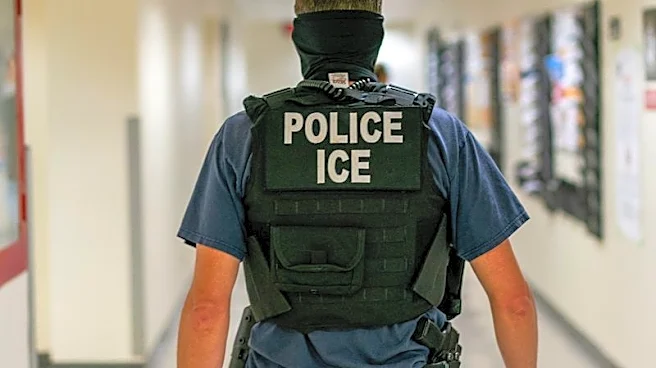
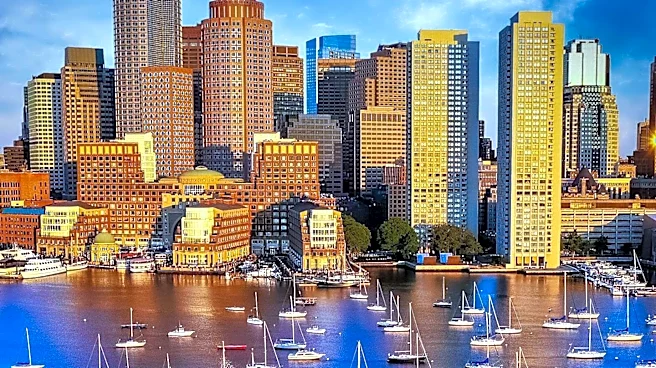
Boston Mayor Michelle Wu has issued a warning to private parking garage and lot owners in the city, urging them to reject any propositions from U.S. Immigration and Customs Enforcement (ICE) to lease parking spaces. ICE is reportedly seeking 249 contiguous
parking spaces in Boston. Mayor Wu's letter to these property owners states, "Reject any proposition by ICE to facilitate an attack on the people of Boston." This action has been met with strong criticism from the Department of Homeland Security (DHS), which has publicly stated that Mayor Wu has no authority to block ICE from utilizing private property and accused her of attempting to intimidate Bostonians. DHS further characterized her actions as "unhinged" and compared her stance to shamelessly equating ICE agents with a neo-Nazi group. The mayor's move is seen by some as a potential overreach of mayoral powers, raising concerns about possible harassment of property owners who choose to do business with federal law enforcement.
Why It's Important?
This situation highlights a significant clash between local and federal authorities regarding immigration enforcement and the use of private property. Mayor Wu's directive could create a challenging environment for property owners in Boston, who might face pressure from the city if they choose to lease to ICE, or face criticism from federal agencies if they comply with the mayor's request. The Department of Homeland Security's strong condemnation underscores the federal government's view that such local interference is an abuse of power and an attempt to obstruct federal operations. This conflict could set a precedent for other cities with differing views on immigration policy, potentially leading to similar standoffs between municipal leaders and federal agencies. The outcome could influence how private businesses navigate partnerships with government entities when local and federal policies diverge, and it raises questions about the extent of a mayor's authority to influence private commercial decisions for political ends.
What's Next?
The immediate next steps could involve legal challenges from property owners or federal agencies against Mayor Wu's directive, potentially leading to court battles over the scope of municipal authority versus federal jurisdiction. Property owners who choose to lease to ICE may face scrutiny or potential retaliatory actions from the city, such as increased inspections or audits, as suggested by critics. Conversely, those who refuse to lease to ICE might face pressure from federal authorities or public criticism from pro-federal enforcement groups. The Department of Homeland Security has indicated it will not back down, suggesting a continued federal presence and efforts to secure necessary resources in Boston. This ongoing dispute could also galvanize activist groups on both sides, leading to protests or public campaigns targeting either the city government or property owners. The situation may escalate into a broader political debate about sanctuary cities and federal immigration policies.
Beyond the Headlines
This incident delves into deeper constitutional and ethical questions regarding federalism, local autonomy, and the rights of private property owners. The mayor's actions, perceived by some as an attempt to weaponize city government, could erode trust between local businesses and municipal leadership. It also brings to the forefront the ethical dilemma faced by private citizens and businesses when caught between conflicting demands from different levels of government. The comparison of ICE agents to a neo-Nazi group by DHS, as reported, further inflames an already contentious issue, potentially polarizing public opinion and making constructive dialogue more difficult. This situation could contribute to a broader national conversation about the limits of local resistance to federal policies, particularly in areas like immigration, and the potential for such conflicts to impact the rule of law and the functioning of government at various levels.