








What's Happening?
The U.S. House of Representatives has been sent home early for the holiday recess due to a deadlock within the Republican Party over President Trump's demands. The impasse centers around the annual defense bill, which includes pay raises for troops, being
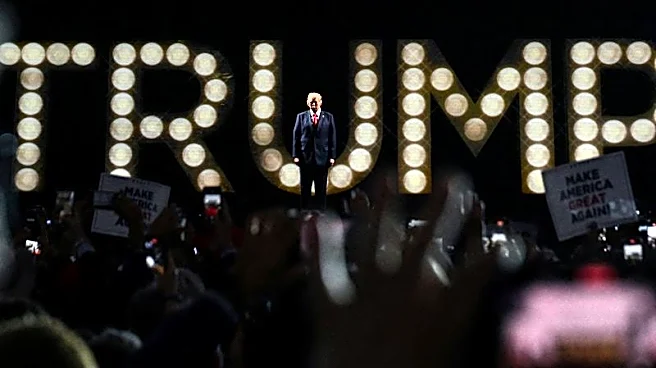
blocked by Republicans who insist on including the SAVE America Act, a strict voter ID bill championed by President Trump. This standoff has resulted in the House leadership, under Speaker Mike Johnson, canceling votes and halting legislative activities. The situation reflects a broader power struggle in Washington, with President Trump's influence over the Republican agenda causing significant disruptions in Congress.
Why It's Important?
The deadlock in Congress highlights the ongoing challenges within the Republican Party and the broader implications for legislative governance in the U.S. The insistence on including the SAVE America Act, despite its lack of support in the Senate, underscores the influence President Trump continues to wield over the party. This situation not only affects the passage of critical legislation, such as the defense bill, but also raises questions about the balance of power between the executive and legislative branches. The inability to move forward with key bills could have significant consequences for military funding and other essential government functions.
What's Next?
As Congress enters an extended recess, the future of the defense bill and other pending legislation remains uncertain. The Republican leadership, including Majority Leader Steve Scalise, has expressed a commitment to continue efforts to pass the SAVE America Act, despite the current setbacks. The ongoing internal conflicts within the Republican Party, as well as between President Trump and Senate Republicans, suggest that further negotiations and strategic adjustments will be necessary to break the legislative impasse. The outcome of these efforts will likely shape the legislative agenda and political dynamics in the coming months.