


What's Happening?
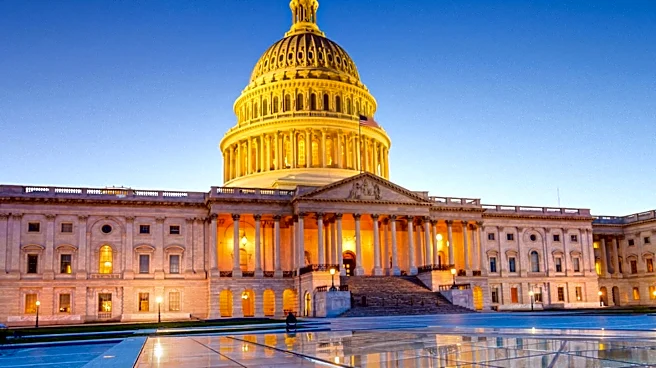
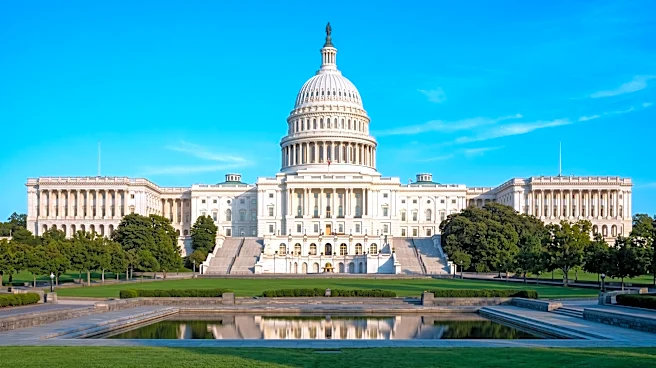
Congressman Bob Latta (OH-05), Chairman of the Subcommittee on Energy, delivered an opening statement at a hearing discussing America’s nuclear fuel policy and the Department of Energy’s (DOE) Nuclear Lifecycle Innovation Campuses. These campuses represent
a new initiative by the DOE and the Administration to transform the nuclear fuel cycle. The program aims to support national nuclear policy ambitions and address the federal government’s responsibility for nuclear waste disposal. The concept involves transporting spent fuel from reactors nationwide to volunteer host states, where it can be stored, recycled, and related waste disposed of. Chairman Latta emphasized the importance of reprocessing spent fuel to maximize its remaining usefulness and reduce the volume of waste requiring permanent repositories. Six states are currently in negotiations with the DOE to develop these lifecycle innovation campuses.
Why It's Important?
This initiative is crucial for the future of nuclear energy in the U.S., as it directly addresses the long-standing challenge of nuclear waste management, a significant barrier to public acceptance and expansion of nuclear power. By transforming the nuclear fuel cycle through storage, recycling, and disposal at dedicated campuses, the program seeks to create a more sustainable and efficient system. Reprocessing spent fuel not only reduces waste but also extracts valuable resources, potentially enhancing energy security and reducing the need for new uranium mining. The involvement of volunteer host states signifies a potential breakthrough in overcoming past political and logistical hurdles in siting nuclear waste facilities. This effort could lead to a more robust and publicly supported nuclear energy infrastructure, vital for meeting growing electricity demands and achieving climate goals.
What's Next?
The Subcommittee on Energy will continue to examine the DOE's work on Nuclear Lifecycle Innovation Campuses, with testimony from Assistant Secretary of Energy Ted Garrish and various stakeholders, including public utility commissioners and representatives from the Nuclear Energy Institute. The focus will be on identifying legislative actions Congress can take to facilitate the progress of these campuses. Key discussions will revolve around developing durable state agreements for hosting these facilities and ensuring the protection of ratepayer funding and the nuclear waste fund. The hearing will also explore commercial and economic realities influencing the fuel cycle. The goal is to establish policies that complement existing law, including the designated federal disposal site at Yucca Mountain, and avoid past political obstructions that hindered similar reform efforts.
Beyond the Headlines
The discussion around Nuclear Lifecycle Innovation Campuses highlights a deeper shift in U.S. energy policy, moving towards a more integrated and sustainable approach to nuclear power. The emphasis on reprocessing spent fuel reflects a growing recognition of its potential as a resource rather than solely a waste product, aligning the U.S. with practices in other nuclear-powered nations. This initiative could foster significant technological advancements in nuclear waste management and fuel cycle technologies. Furthermore, the voluntary participation of states in hosting these campuses could set a precedent for collaborative federal-state partnerships on complex infrastructure projects. Successfully implementing this program could not only resolve a critical environmental and safety concern but also enhance the U.S.'s leadership in nuclear technology and energy independence on a global scale.