

What's Happening?
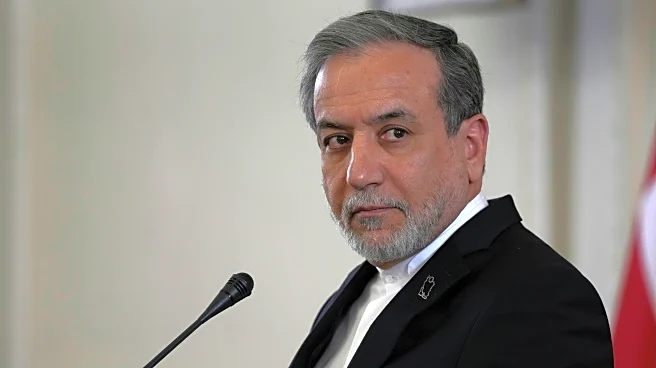
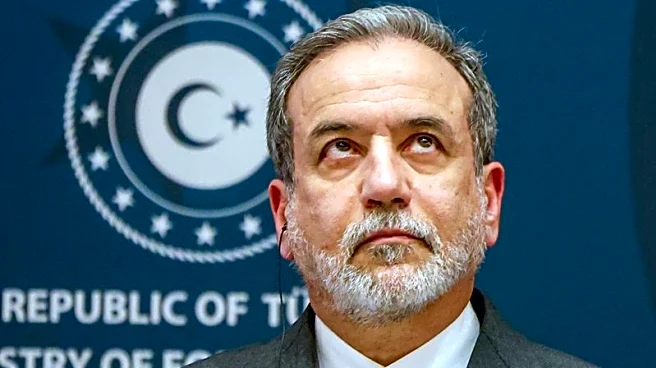
Iranian officials have acknowledged the possibility of brief, informal encounters with U.S. representatives during ongoing nuclear negotiations, despite Tehran's firm stance on continuing uranium enrichment. The talks, held under Omani mediation, have not
yet produced a breakthrough, but the potential for direct interactions, such as handshakes, marks a notable development. Iran's Foreign Minister Abbas Araghchi and Armed Forces Chief of Staff Maj. Gen. Abdolrahim Mousavi have emphasized that uranium enrichment is non-negotiable, viewing it as a right tied to future generations. The discussions occur against the backdrop of an expanding U.S. military presence in the region.
Why It's Important?
The acknowledgment of potential direct interactions between Iranian and U.S. officials could signal a shift in diplomatic relations, potentially easing tensions that have persisted for years. However, Iran's unwavering stance on uranium enrichment poses a significant challenge to reaching a comprehensive agreement. The outcome of these talks could have far-reaching implications for regional security, particularly concerning Israel's ability to act independently against perceived threats. The negotiations also impact U.S. foreign policy, as President Trump seeks to balance diplomatic engagement with military readiness.
What's Next?
The continuation of talks in Oman suggests that both sides are willing to explore diplomatic solutions, albeit with significant hurdles remaining. The U.S. has expressed a desire for substantive proposals from Iran, indicating that future meetings will be contingent on Tehran's willingness to compromise. The potential for a U.S.-Iran agreement could alter the geopolitical landscape, affecting alliances and strategic calculations in the Middle East. Observers will be watching for any signs of progress or further escalation, particularly as Iran continues to develop its ballistic missile capabilities.