






What's Happening?
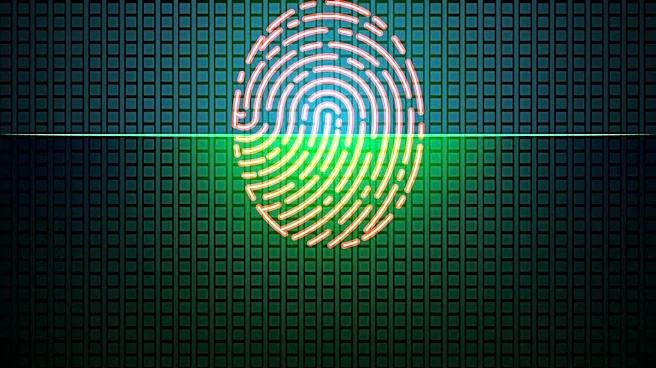
Biometric technology, which uses unique physical or behavioral traits like fingerprints, facial features, iris patterns, and voice, is increasingly being adopted across various sectors for identity verification. This technology offers enhanced security
and convenience compared to traditional passwords or physical keys. Multi-modal biometrics, combining several types of biometric data, are emerging as a significant advancement. However, this widespread adoption is accompanied by mounting scrutiny regarding its implementation and potential risks. Concerns include the inability to reset compromised biometric data, the potential for spoofing, and significant data privacy issues. The technology is being integrated into diverse applications, from retail payments and digital identity systems to cybersecurity authentication and Know Your Customer (KYC) processes. Despite its benefits, the ethical implications, potential for bias in algorithms, and challenges in securing sensitive biometric data are becoming central points of discussion.
Why It's Important?
The increasing reliance on biometric technology has profound implications for U.S. industries, public policy, and society. For businesses, biometrics offer a more secure and efficient way to manage access control, authenticate users, and streamline onboarding processes, potentially reducing fraud and improving user experience. However, the inherent risks, such as data breaches involving immutable biometric data, could lead to severe financial and reputational damage. From a public policy perspective, the lack of robust oversight and standardized regulations for biometric data collection, storage, and usage poses significant challenges. The potential for misuse, as highlighted by cases of unauthorized surveillance and data sharing, could erode public trust and necessitate stricter legislative frameworks. Civil liberties advocates are particularly concerned about privacy implications and the potential for surveillance, while law enforcement agencies see it as a valuable tool for crime prevention and investigation. The balance between security benefits and individual privacy rights is a critical debate that will shape future policy and public acceptance of these technologies.
What's Next?
The future of biometric technology will likely involve continued advancements in multi-modal and behavioral biometrics, aiming to enhance accuracy and resistance to spoofing. There will be an increased focus on developing transparent and unbiased AI algorithms to mitigate demographic disparities in facial recognition and other biometric systems. Regulatory bodies, such as the Federal Trade Commission, are expected to intensify their scrutiny of biometric data practices, potentially leading to new guidelines or legislation to protect consumer privacy and prevent misuse. Companies deploying biometric solutions will need to prioritize robust security measures, implement clear data collection policies, and conduct thorough Privacy Impact Assessments. The debate over the appropriate balance between security and privacy will continue, influencing how these technologies are integrated into daily life and government operations. Stakeholders, including technology providers, government agencies, and civil society groups, will likely engage in ongoing discussions to establish ethical frameworks and best practices for biometric data management.
Beyond the Headlines
Beyond the immediate concerns of security and privacy, the widespread adoption of biometrics raises deeper ethical and societal questions. The inability to reset biometric data, unlike passwords, means that a compromise could have permanent consequences for an individual's identity security. This permanence necessitates an unprecedented level of trust in the entities collecting and storing such data. Furthermore, the potential for algorithmic bias in biometric systems, particularly in facial recognition, could perpetuate and exacerbate existing societal inequalities, leading to discriminatory outcomes in areas like law enforcement and access to services. The concept of 'digital identity' is being redefined, shifting from something owned and controlled by an individual to something that is intrinsically linked to their biological self, often managed by third parties. This shift could lead to a re-evaluation of fundamental rights related to identity and personal autonomy in the digital age. The long-term implications for surveillance, individual freedoms, and the nature of privacy in an increasingly biometric-enabled world are profound and will require continuous ethical deliberation and public discourse.