



What's Happening?
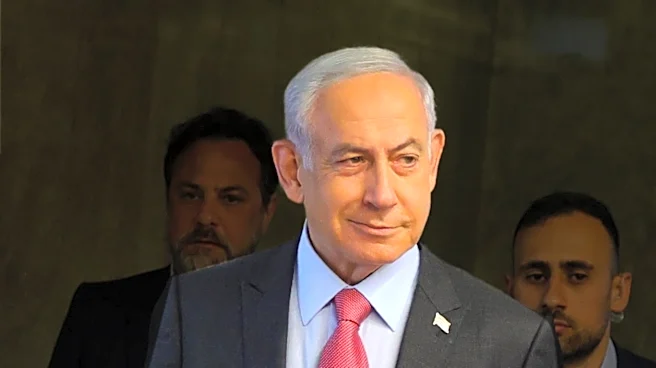
Prime Minister Benjamin Netanyahu was reportedly warned by UAE President Mohammed bin Zayed about a major Hamas offensive just ten days before the October 7, 2023, attack, according to an Israeli newspaper report. The Haaretz daily stated that bin Zayed informed
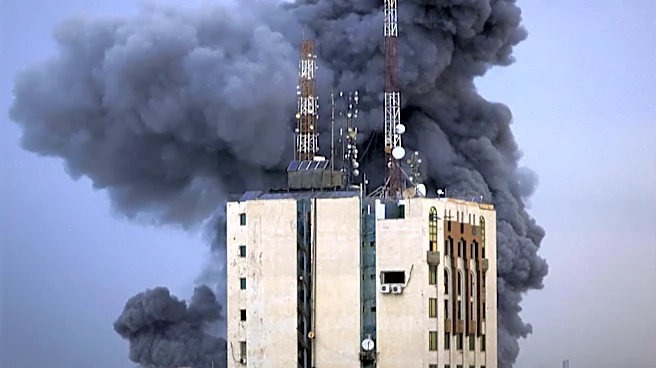
Netanyahu that Yahya Sinwar, the leader of Hamas in Gaza at the time, was planning an operation that could lead to bloodshed, destabilize the region, and undermine the Abraham Accords. However, Netanyahu reportedly reacted with "relative calm," assuring bin Zayed that Israel was prepared and that an attack was more likely to originate from the occupied West Bank. Hamas fighters subsequently killed approximately 1,200 people and took 251 hostages in the October 7 attack. Netanyahu's office has denied the report, calling it an "absolute lie" and stating that he did not speak with the UAE president during the period in question. The UAE's Foreign Ministry has not yet responded to requests for comment.
Why It's Important?
This report, if accurate, carries significant implications for the U.S. and its allies in the Middle East, particularly regarding intelligence sharing and regional security. The U.S. has been a key proponent of the Abraham Accords, aiming to foster peace and stability between Israel and Arab nations. A failure to act on a credible warning from a regional partner like the UAE could raise questions about intelligence assessments, inter-state communication, and preparedness for major security threats. For the U.S., which has invested heavily in regional security and diplomatic efforts, such a lapse could undermine confidence in its partners' ability to prevent conflict. The ongoing debate in Israel about accountability for the October 7 attack, especially with national elections approaching, highlights the political sensitivity and potential for this information to influence public opinion and future leadership decisions, impacting U.S. diplomatic efforts in the region.
What's Next?
The report is likely to fuel further debate and scrutiny within Israel, especially as national elections approach. Rivals of Prime Minister Netanyahu, such as Gadi Eisenkot and Naftali Bennett, have already accused him of ignoring warnings and bearing responsibility for the events of October 7. The denial from Netanyahu's office and the lack of immediate comment from the UAE Foreign Ministry suggest that the veracity of the report will remain a contentious issue. Further investigations or official inquiries into the events leading up to the October 7 attack could be demanded, potentially impacting Netanyahu's political future. The U.S. and other international actors will likely monitor these developments closely, as they could influence regional alliances, intelligence cooperation, and the broader trajectory of the Israeli-Palestinian conflict.
Beyond the Headlines
Beyond the immediate political fallout, this report touches upon deeper issues of trust and transparency in international relations. If a warning from a key regional ally was indeed dismissed, it could signal a breakdown in critical intelligence assessment and communication channels, potentially impacting future collaborative efforts to counter terrorism and maintain regional stability. The Abraham Accords, which the U.S. championed, are designed to build bridges and enhance security cooperation; any perceived failure to act on intelligence from an Accord signatory could erode the foundation of these agreements. Furthermore, the report highlights the complex and often opaque nature of intelligence gathering and decision-making in high-stakes geopolitical environments, where the interpretation of threats can have catastrophic consequences. The ongoing political discourse in Israel, fueled by such revelations, underscores the profound impact of security events on domestic politics and leadership accountability.