
What's Happening?
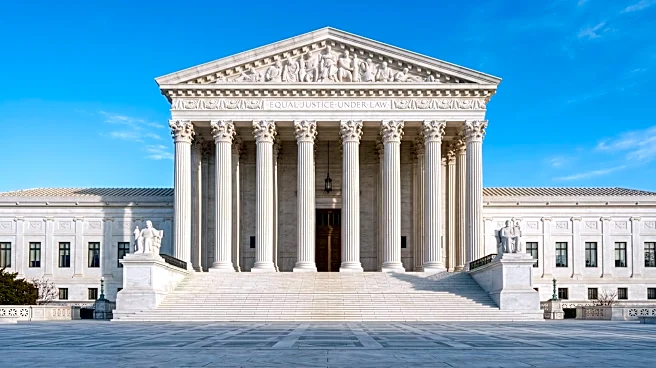
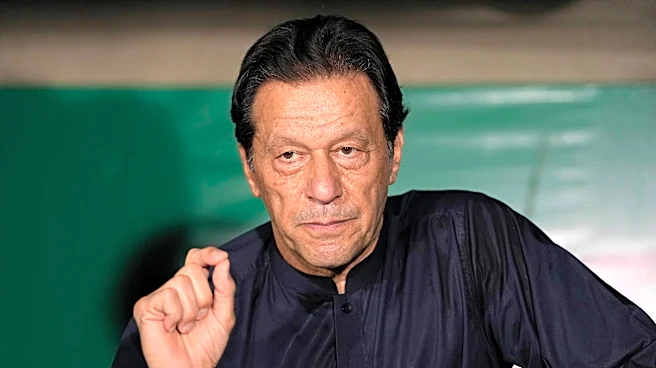
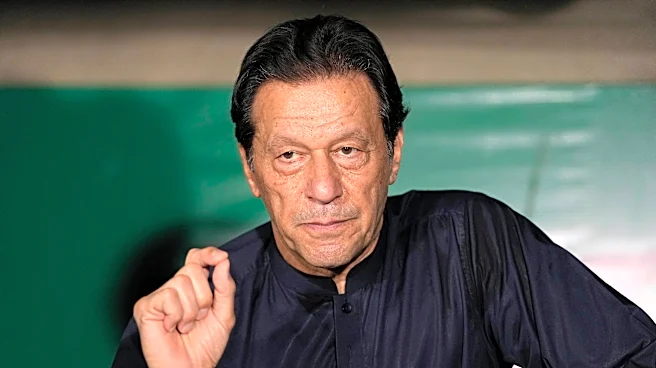
Former Pakistani Prime Minister Imran Khan has been declared medically fit and returned to Adiala Jail after undergoing a medical examination at the Pakistan Institute of Medical Sciences (PIMS) in Islamabad. This transfer followed a Supreme Court order
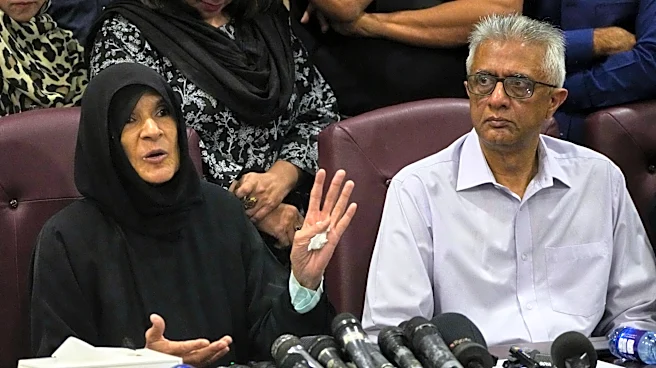
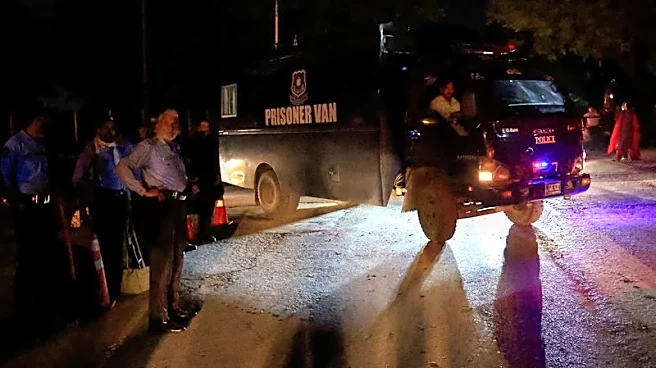
directing authorities to move Khan to Shifa International Hospital for treatment. However, Information Minister Attaullah Tarar stated that Khan was taken to PIMS instead of Shifa due to a 'security situation created by PTI workers' along the planned route. A team of qualified doctors, including an ophthalmologist, a cardiologist, and a physician, conducted a detailed examination and declared him medically fit. Khan's sister, Uzma Khan, was present during the examination. He was transferred back to Adiala Jail at approximately 5 a.m. on Friday. Khan, 73, has been imprisoned since August 2023, facing various charges that he claims are politically motivated. His party, Pakistan Tehreek-e-Insaf (PTI), had publicly interpreted the Supreme Court order to mean he would remain hospitalized for several weeks, and did not immediately comment on the claim that he was medically fit.
Why It's Important?
The swift return of Imran Khan to jail after being declared medically fit, despite a Supreme Court order for his transfer to a specific hospital, has significant political implications. This action could intensify tensions between the government and the opposition, particularly Khan's party, PTI, which views the cases against him as politically motivated. The discrepancy between the Supreme Court's directive and the government's execution, citing security concerns, raises questions about the rule of law and the independence of state institutions. Public perception that Khan was forcefully returned to prison could spark renewed outrage among his supporters, potentially leading to increased street protests and political instability. This situation also highlights the ongoing challenges in managing high-profile political prisoners and ensuring their rights, including access to medical care, are upheld. The government's assertion of Khan's medical fitness, without prolonged hospitalization as anticipated by his party, is likely to be a point of contention and further fuel the political discourse.
What's Next?
The immediate aftermath is likely to see strong reactions from Imran Khan's party, Pakistan Tehreek-e-Insaf (PTI), and his supporters, who may view his swift return to jail as a disregard for the Supreme Court's order and a politically motivated action. This could lead to increased public protests and further calls for his release and fair treatment. The opposition parties have already decided to approach the Supreme Court over the government's alleged failure to implement its order concerning Khan's medical treatment, and they have reaffirmed plans for a long march on September 27. The government will likely continue to defend its decision to transfer Khan to PIMS and then back to jail, citing security concerns and the medical team's assessment of his fitness. The Supreme Court's response to the opposition's petition will be a critical next step, potentially influencing the legal and political trajectory of this ongoing dispute. The situation remains fluid, with the potential for escalating political tensions and public unrest.
Beyond the Headlines
The handling of Imran Khan's medical examination and subsequent return to jail reveals a deeper struggle for power and influence within Pakistan's political landscape. The government's decision to override the Supreme Court's directive, even with a stated security rationale, can be interpreted as a move to assert executive authority and control over a prominent opposition figure. This could further entrench the perception among Khan's supporters that he is being unfairly targeted and that the legal system is being manipulated for political ends. Such actions risk undermining public confidence in the judiciary and democratic processes, potentially leading to increased polarization and a more volatile political environment. The incident also highlights the broader issue of political prisoners' rights and the transparency of their treatment, especially when their health becomes a point of contention. The long-term implications could include a further erosion of trust in state institutions and a more challenging environment for political dialogue and reconciliation in Pakistan.