
What's Happening?
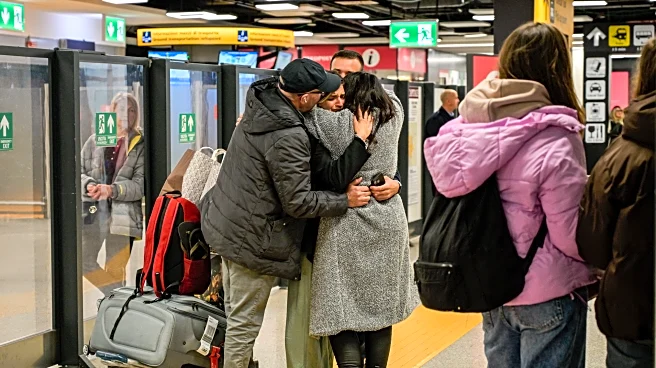
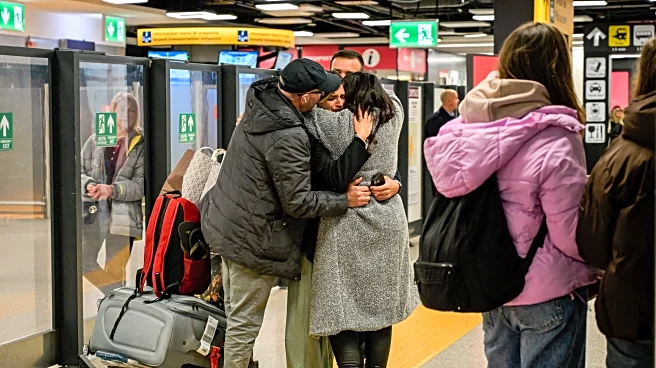
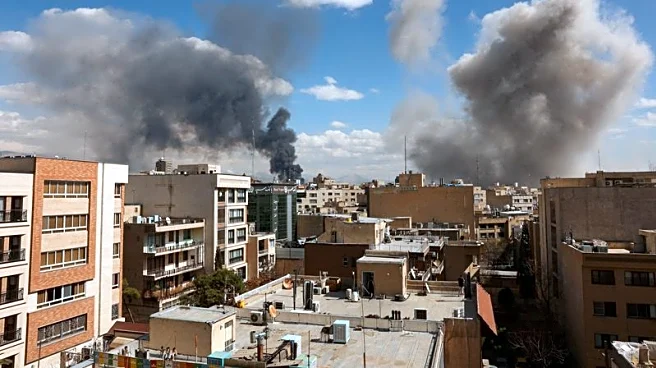
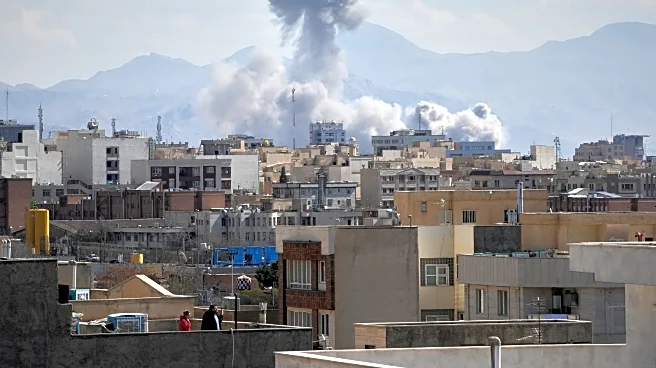
Governments worldwide are actively working to repatriate their citizens stranded in the Middle East due to travel disruptions caused by ongoing conflict in the region. French authorities have successfully repatriated citizens from Oman and Egypt, prioritizing
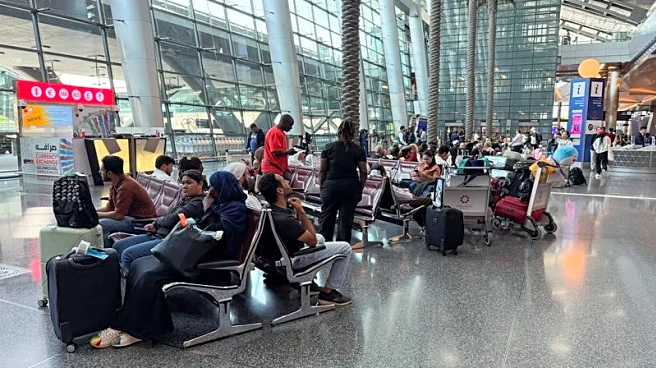
vulnerable groups such as families with children and the elderly. The United States has advised its citizens to leave several countries in the region, including Iran and Israel, using any available commercial transportation. The UK is also organizing chartered flights to bring back nationals from the Gulf. The conflict has led to the cancellation of over 20,000 flights, leaving passengers stranded not only in the Middle East but also in distant locations due to canceled connecting flights.
Why It's Important?
The repatriation efforts highlight the significant impact of geopolitical conflicts on global travel and the challenges faced by governments in ensuring the safety of their citizens abroad. The disruption in air travel affects not only those directly in the conflict zones but also travelers worldwide who rely on Middle Eastern hubs for transit. This situation underscores the vulnerability of international travel networks to regional instability and the importance of diplomatic and logistical coordination in crisis situations. The economic implications are vast, affecting airlines, tourism, and related industries, while also posing logistical challenges for governments tasked with emergency evacuations.
What's Next?
Governments are expected to continue organizing repatriation flights and providing assistance to stranded citizens. As commercial airlines begin to resume some flights, travelers will need to navigate limited options and potential delays. The situation remains fluid, with ongoing assessments of safety and logistical feasibility for further evacuations. Governments may also need to address the long-term implications for travel advisories and diplomatic relations in the region. The focus will likely remain on ensuring the safe return of citizens while monitoring developments in the conflict.
Beyond the Headlines
The travel chaos caused by the conflict in the Middle East raises broader questions about the resilience of global travel infrastructure and the preparedness of governments to handle large-scale evacuations. It also highlights the interconnectedness of global economies and the ripple effects of regional conflicts on international commerce and mobility. The ethical considerations of prioritizing vulnerable groups for evacuation and the challenges of balancing diplomatic relations with safety concerns are critical aspects of the ongoing situation.