





What's Happening?
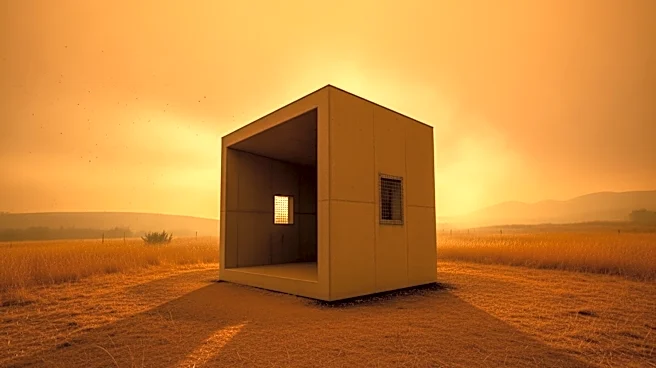
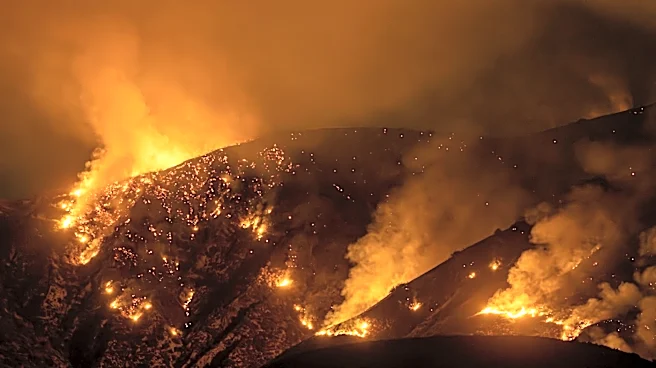
Researchers are proposing the establishment of designated fire refuges in wildfire-prone communities as a last-resort survival option when evacuation is not possible. This suggestion comes in light of findings that wildfire deaths in California and other
parts of the U.S. are concentrated in areas with limited evacuation routes. The concept of fire refuges is controversial, as it may deter early evacuation, potentially increasing risks for residents and firefighters. The idea is to have preplanned shelter-in-place options that could enhance survival when evacuation fails. However, experts like UC Berkeley fire scientist Michael Gollner warn that while refuges could save lives, they might also lead to delayed evacuations. Local fire officials emphasize the importance of adhering to evacuation orders and express concerns about the logistics and safety of publicly designating refuge sites.
Why It's Important?
The proposal for fire refuges highlights a critical challenge in wildfire management: ensuring the safety of residents in areas with limited evacuation routes. As wildfires become more frequent and intense, the need for effective evacuation strategies is paramount. The introduction of refuges could provide a safety net for those unable to evacuate, particularly vulnerable populations such as older adults. However, the potential for refuges to encourage delayed evacuations poses a significant risk, as timely evacuation is crucial for safety. The debate underscores the complexity of wildfire response planning and the need for comprehensive strategies that balance immediate safety with long-term preparedness.
What's Next?
The discussion around fire refuges is likely to continue as stakeholders weigh the benefits and risks. Local governments and fire agencies may consider pilot programs to test the feasibility of refuges, while also enhancing public education on evacuation protocols. The development of refuges would require careful planning, including identifying suitable locations and ensuring they are staffed and equipped to handle emergencies. Ongoing research and dialogue among fire scientists, emergency managers, and community leaders will be essential to refine wildfire response strategies and improve safety outcomes.