







What's Happening?
U.S. Representatives Young Kim (R-CA) and Joyce Beatty (D-OH) have introduced a congressional resolution to designate October 2026 as 'National Financial Planning Month.' The resolution aims to raise public awareness about the importance of financial
planning and highlight the role of CERTIFIED FINANCIAL PLANNER™ professionals in helping Americans achieve their financial goals. Both representatives serve as co-chairs of the House Financial Literacy and Wealth Creation Caucus. The resolution cites research from the CFP Board, indicating that current economic pressures, such as rising costs and financial scams, underscore the increased importance of financial planning. Studies also suggest that individuals working with CFP® professionals report higher levels of financial preparedness and confidence. The resolution encourages Americans to observe the month through various outreach and awareness initiatives, including public seminars on budgeting, saving, investing, and retirement planning, as well as financial education courses in schools and support for pro bono financial planning services.
Why It's Important?
This resolution is significant because it addresses a critical need for enhanced financial literacy and security among American households. In an economic climate characterized by rising costs and prevalent financial fraud, many individuals and families struggle to manage their finances effectively and plan for the future. By officially recognizing October as 'National Financial Planning Month,' Congress aims to elevate the conversation around financial well-being and encourage more Americans to seek professional guidance. This initiative can empower individuals with the knowledge and tools necessary to make informed financial decisions, build savings, plan for retirement, and protect themselves from scams. The emphasis on CERTIFIED FINANCIAL PLANNER™ professionals also highlights the value of expert, ethical advice in navigating complex financial landscapes. Ultimately, improved financial literacy across the population can contribute to greater economic stability for families and stronger communities nationwide.
What's Next?
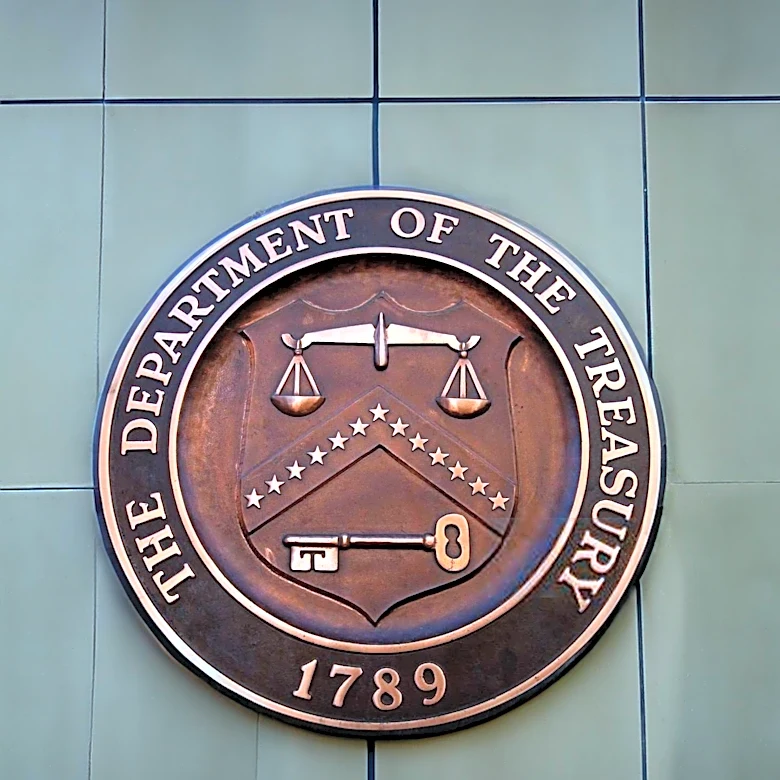
Following its introduction, the congressional resolution will proceed through the legislative process, typically involving referral to relevant committees for consideration. While resolutions often serve as symbolic statements rather than legislative mandates, their passage can significantly influence public discourse and encourage related initiatives. The CFP Board and other financial planning organizations are expected to leverage this designation to amplify their outreach efforts throughout October 2026. This will likely include organizing public workshops, distributing educational materials, and promoting pro bono services to underserved communities. Financial institutions, educational bodies, and community organizations may also align their activities with 'National Financial Planning Month' to offer resources and guidance. The ongoing efforts of the Department of the Treasury and the Financial Literacy and Education Commission to develop a national strategy on financial education are also supported by this resolution, suggesting continued collaboration on improving financial well-being for all Americans.
Beyond the Headlines
Beyond its immediate goal of promoting financial literacy, this resolution touches upon deeper societal and economic implications. A financially literate populace is more resilient to economic downturns, less susceptible to predatory financial practices, and better equipped to contribute to economic growth through informed investment and consumption. The resolution implicitly acknowledges the growing wealth disparity and the need to democratize access to financial planning knowledge, ensuring it is not a privilege reserved for the wealthy. Furthermore, by highlighting the role of CFP® professionals, it reinforces the importance of professional standards and ethics within the financial services industry. This initiative could also spur further policy discussions on integrating financial education into school curricula at all levels, recognizing that early exposure to financial concepts can have a lasting positive impact on individuals' economic trajectories. The long-term success of such efforts could lead to a more financially secure and stable American society.