



What's Happening?
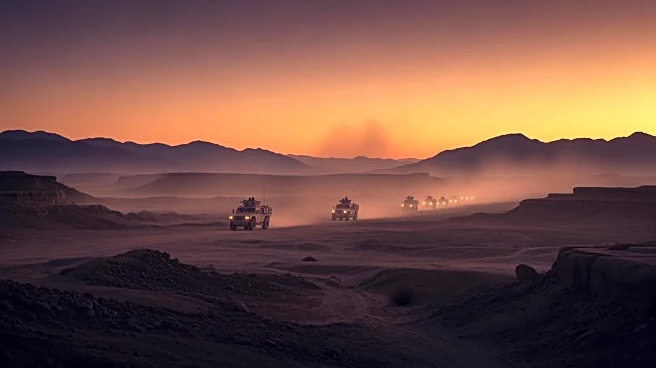
The United States is preparing to send approximately 3,000 troops from the Army's 82nd Airborne Division to the Middle East, along with two Marine Expeditionary Units. This deployment is part of military operations in Iran, focusing on strategic locations
such as Qeshm Island and Kharg Island. The move raises questions about potential actions to seize Iran's nuclear materials. Military experts suggest that the troop numbers indicate plans for discrete, time-limited operations rather than a prolonged ground campaign. The deployment comes amid conflicting reports about peace talks and highlights the strategic importance of these Iranian islands.
Why It's Important?
The deployment of additional U.S. troops to the Middle East underscores the ongoing tensions between the U.S. and Iran, particularly concerning Iran's nuclear capabilities. This move could escalate military engagements in the region, affecting global oil markets and international relations. The strategic positioning of U.S. forces near key Iranian islands suggests a focus on limiting Iran's military capabilities and securing vital shipping routes. The situation could impact U.S. foreign policy and defense strategies, as well as influence diplomatic relations with allies and adversaries in the region.
What's Next?
The U.S. military presence in the Middle East is likely to remain a point of contention, with potential diplomatic efforts to de-escalate tensions. The international community may call for negotiations to address nuclear proliferation concerns. The U.S. could face pressure to clarify its long-term strategy in the region, balancing military readiness with diplomatic initiatives. Iran's response to the troop deployment will be critical, as it could either lead to further military confrontations or open avenues for dialogue. The situation will require careful monitoring by global stakeholders to prevent further escalation.