



What's Happening?
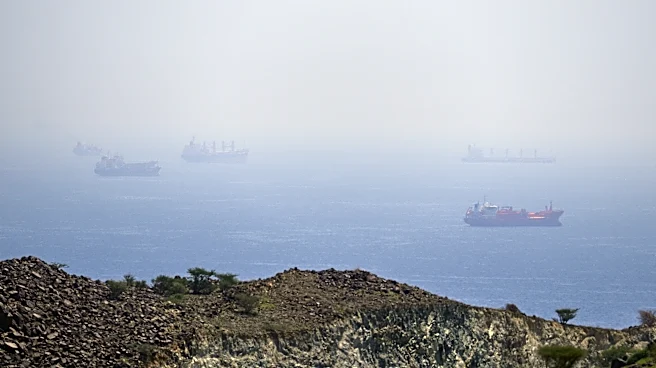
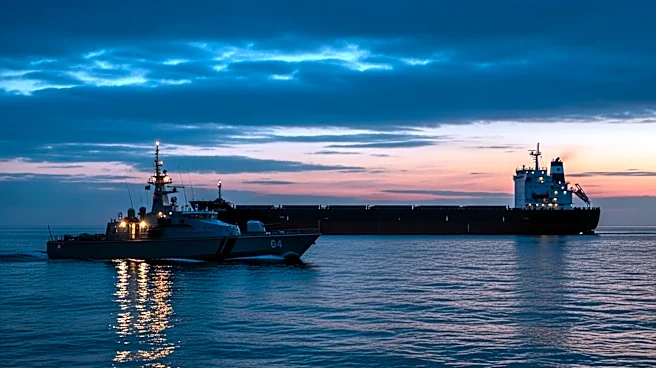
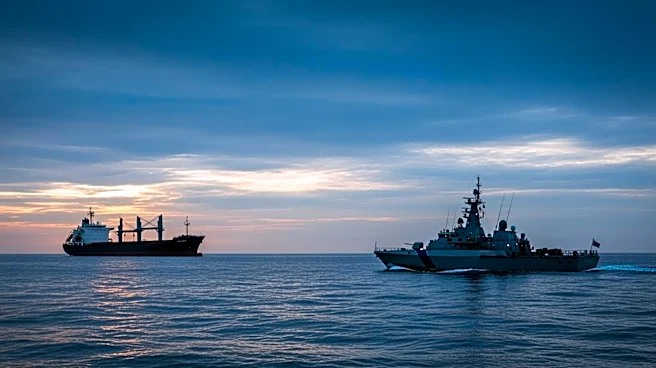
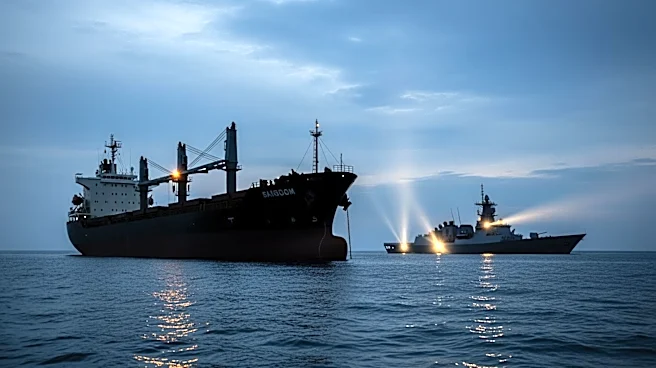
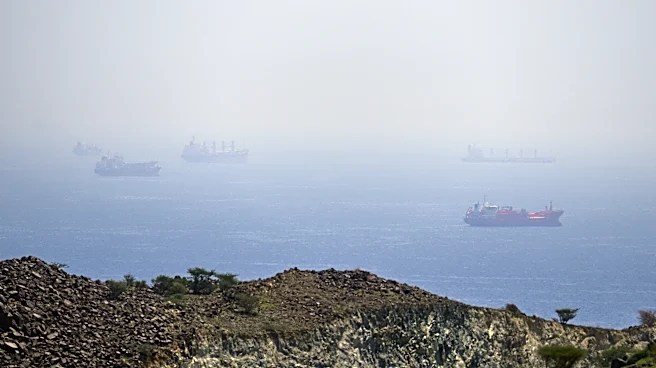
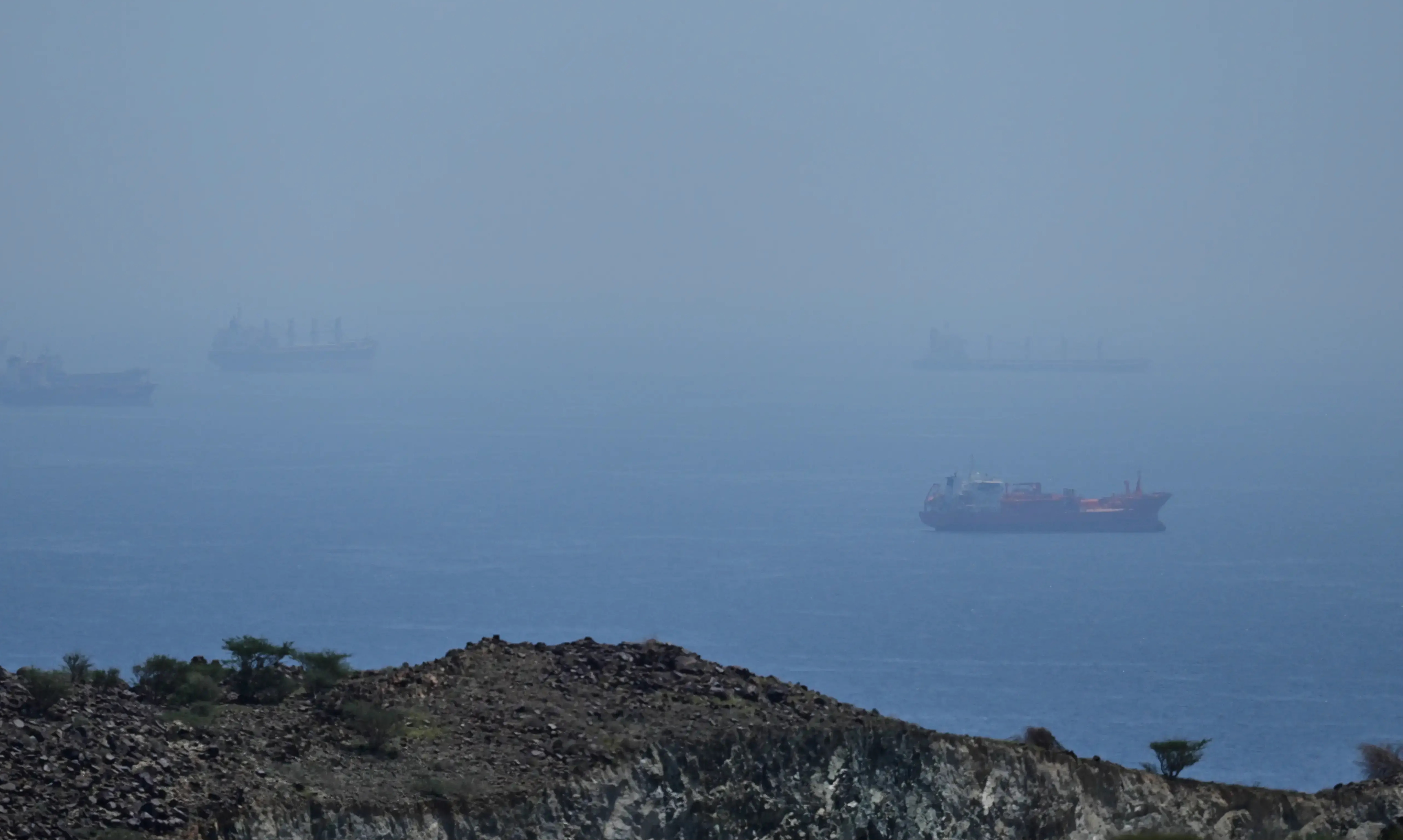
Crude oil prices surged as tensions between the U.S. and Iran escalated following attacks on commercial ships in the Strait of Hormuz. The U.S. Navy fired on an Iranian container ship in the Gulf of Oman, subsequently seizing it. This action followed
Iran's attack on a tanker in the Strait, where Revolutionary Guard gunboats fired on the vessel. President Trump threatened further military action against Iran if a deal is not reached. The ceasefire agreement between the U.S. and Iran is set to expire soon, and negotiations in Pakistan are uncertain as Iran has refused to attend due to the ongoing U.S. naval blockade.
Why It's Important?
The escalation in the Strait of Hormuz has significant implications for global energy markets, as the waterway is a critical passage for oil shipments. The conflict has led to a sharp increase in oil prices, affecting economies worldwide. The U.S. and Iran's actions could lead to prolonged disruptions in oil supply, impacting countries reliant on energy imports. The situation underscores the geopolitical risks associated with energy security and the potential for further instability in the region.
What's Next?
The expiration of the ceasefire agreement and the refusal of Iran to participate in negotiations could lead to further military confrontations. The U.S. may continue its naval blockade, exacerbating tensions. Stakeholders, including global energy markets and political leaders, will closely monitor developments, as any resolution or escalation will have far-reaching consequences.