




What's Happening?
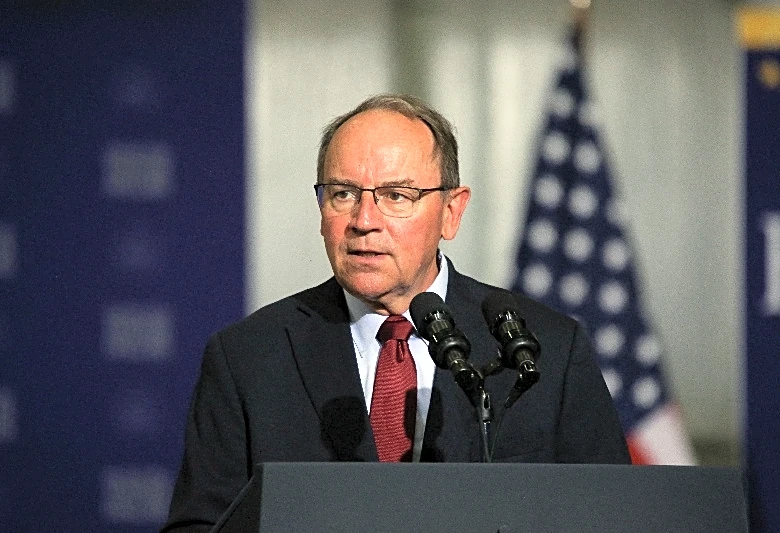
State Congresswoman Teresa Leger Fernández (D., 3rd Dist.) has expressed strong support for a ban on uranium mining in New Mexico, particularly on federal lands within the Chama watershed. Her stance aligns with New Mexico Land Commissioner Garcia Richard's
executive order prohibiting uranium mining on state lands. Leger Fernández highlighted the environmental and health impacts suffered by Indigenous communities and New Mexico families due to proximity to uranium pits and nuclear testing sites. She noted that the Trump administration's push for aggressive uranium development is a concern for these communities. Leger Fernández has co-introduced legislation in the state legislature to withdraw federal lands from uranium mining in the Chama watershed, emphasizing its ecological and cultural significance for Native Americans and local communities who rely on its water for agriculture and sustenance. The Chama watershed, which spans southern Colorado and north-central New Mexico, is described as precious and fragile.
Why It's Important?
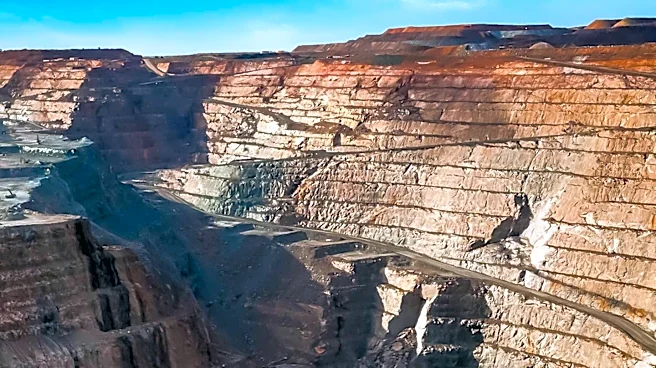
The advocacy by Congresswoman Leger Fernández and Commissioner Garcia Richard underscores a significant conflict between federal policy and local environmental concerns in New Mexico. The state has a long history with the U.S. nuclear program, including being the largest source of uranium from 1951 to 1980, leaving behind hundreds of abandoned mines. The current push for a ban reflects a growing movement to protect communities from the legacy and future risks of uranium mining, especially given the unremediated sites and the potential for further environmental degradation. This initiative highlights the tension between economic development driven by resource extraction and the preservation of natural resources and public health, particularly for vulnerable Indigenous populations. The legislative efforts aim to establish state-level control over land use decisions that have historically been influenced by federal interests, thereby asserting local sovereignty over environmental protection.
What's Next?
Congresswoman Leger Fernández will continue to champion legislation in the state legislature to withdraw federal lands from uranium mining in the Chama watershed. This legislative push is expected to face opposition from those advocating for nuclear development, such as the New Mexico Nuclear Alliance and the Clean Energy Association of New Mexico, which support new uranium mining in the state. The debate will likely involve balancing energy independence goals with environmental protection and community health concerns. The outcome of these legislative efforts could set a precedent for how states can assert control over resource extraction on federal lands within their borders, especially in areas with significant historical environmental burdens. Future discussions will also likely involve federal agencies and their policies regarding uranium production and remediation efforts for existing sites.
Beyond the Headlines
This issue delves into the complex ethical and historical dimensions of resource exploitation and environmental justice. New Mexico's deep connection to the U.S. nuclear history, from the Manhattan Project to current waste isolation facilities, means that decisions about uranium mining carry profound historical weight. The disproportionate impact on Indigenous communities, who have often borne the brunt of environmental contamination, raises critical questions about equity and self-determination. The effort to ban mining in the Chama watershed is not just about environmental protection but also about cultural preservation, as the watershed is vital for Native American traditions and local agricultural practices. This movement reflects a broader national conversation about transitioning to cleaner energy while addressing the environmental and social costs of past and present extractive industries, particularly in regions with rich cultural heritage and vulnerable populations.