





What's Happening?
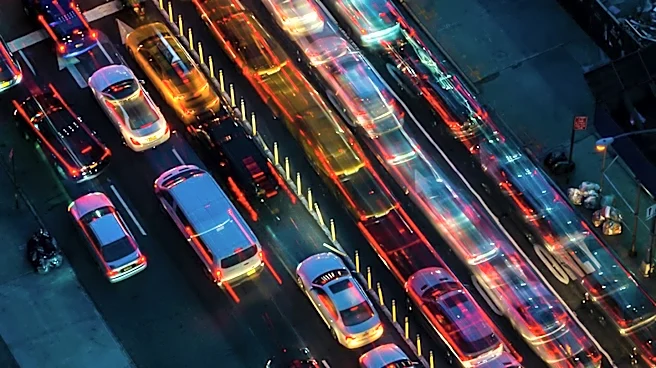
Austin, Texas, a city experiencing rapid population growth, is facing a significant increase in traffic accidents. This surge is attributed to the influx of residents and visitors, particularly during major events like South by Southwest (SXSW), Austin City
Limits Music Festival (ACL), and Formula 1 race weekends. These events lead to heavily congested roadways, with tourists, shuttle buses, rideshare vehicles, rental cars, and pedestrians all contributing to a higher number of collisions. High-traffic corridors such as Interstate 35, MoPac Expressway (Loop 1), Loop 360 (Capital of Texas Highway), U.S. Highway 183, SH 71, and SH 130 frequently experience congestion, construction, and crashes. Interstate 35 is currently undergoing major reconstruction to address these increasing traffic demands. The city's investment in bike lanes and pedestrian infrastructure also means a higher risk of accidents involving cyclists and pedestrians when drivers are distracted or speeding.
Why It's Important?
The rise in traffic accidents in Austin has significant implications for public safety, urban planning, and the local economy. Increased congestion and collisions can deter tourism, impact local businesses reliant on smooth transportation, and strain emergency services. For residents, it means longer commute times and a higher risk of injury. The economic impact extends to potential increases in insurance premiums and healthcare costs. The situation highlights the challenges fast-growing cities face in balancing economic development and infrastructure capacity. The focus on major events, while beneficial for the economy, also creates predictable periods of heightened risk that require proactive management to protect both residents and visitors. The legal landscape is also affected, with a greater need for personal injury legal services to help victims navigate compensation claims.
What's Next?
Austin authorities and urban planners will likely need to continue addressing the city's infrastructure challenges, potentially accelerating projects like the I-35 Capital Express Program. There may be increased calls for enhanced traffic management strategies during major events, including stricter enforcement of traffic laws and public awareness campaigns about pedestrian and cyclist safety. Local legal firms, such as Orange Law, anticipate a continued demand for their services as accident rates remain high, assisting injury victims in recovering compensation for medical expenses, lost wages, and other damages. The ongoing growth and event schedule suggest that these traffic and accident trends will persist, necessitating continuous adaptation and investment in urban infrastructure and safety measures.
Beyond the Headlines
The situation in Austin reflects a broader national challenge for rapidly expanding urban centers. The tension between economic growth driven by events and tech industries, and the capacity of existing infrastructure, often leads to quality-of-life issues like increased traffic and accidents. This can spark debates about sustainable urban development, the balance between attracting tourism/business and preserving local livability, and the equitable distribution of resources for infrastructure improvements. The increased prevalence of rideshare services and alternative transportation methods like cycling also introduces new complexities in accident liability and urban mobility planning, pushing cities to re-evaluate traditional traffic regulations and safety protocols.