



What's Happening?
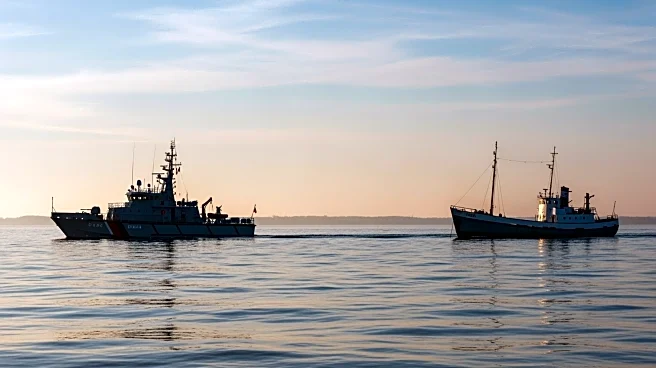
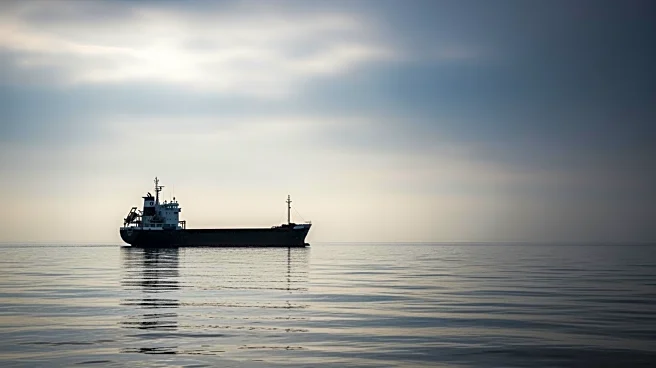
Swedish authorities are currently investigating a cargo ship named Caffa, which is sailing in the Baltic Sea under suspicion of being stateless. The vessel was operating under a Guinean flag when it entered Swedish territorial waters, prompting Swedish police
to take action. The Swedish Coast Guard boarded the ship to conduct a search and interviews, primarily due to concerns about its seaworthiness. This investigation is part of Sweden's broader efforts to tighten controls on foreign ships, particularly those associated with Russia's 'shadow fleet.' This fleet is known for transporting oil, gas, and potentially stolen Ukrainian grain using aging vessels that are often poorly maintained and prone to accidents.
Why It's Important?
The investigation into the Caffa highlights Sweden's ongoing efforts to monitor and regulate maritime activities within its territorial waters, especially concerning vessels linked to Russia's shadow fleet. This fleet poses significant risks due to the age and condition of its ships, which can lead to environmental hazards and maritime accidents. By scrutinizing such vessels, Sweden aims to enhance maritime safety and security in the Baltic Sea region. This action also reflects broader geopolitical tensions, as Sweden seeks to prevent the use of its waters for illicit activities, thereby maintaining regional stability and upholding international maritime laws.
What's Next?
As the investigation continues, Swedish authorities may take further actions depending on the findings related to the Caffa's status and activities. If the vessel is confirmed to be part of the shadow fleet, Sweden might implement stricter regulations and monitoring measures for similar ships passing through its waters. This could involve increased collaboration with other Baltic Sea nations to ensure comprehensive maritime security. Additionally, the outcome of this investigation could influence Sweden's maritime policies and its approach to international maritime law enforcement.