









What's Happening?
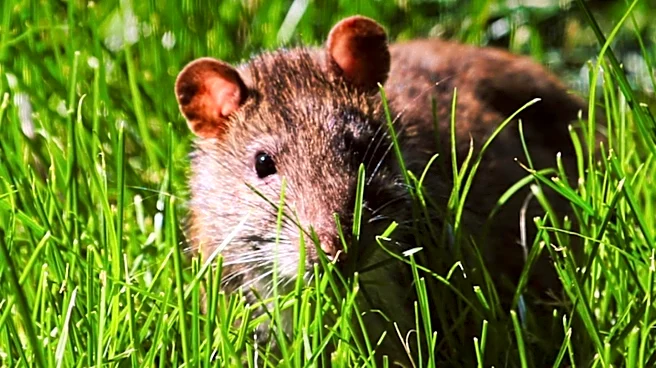
A wild rat in New Mexico has tested positive for the plague, marking the first confirmed case in a wild animal in Santa Fe County for 2026. This follows four confirmed cases in dogs earlier this year, with three cases in Santa Fe County and one in Bernalillo
County. The New Mexico Health Department has issued warnings about the potential for humans to contract the plague through flea bites or direct contact with infected animals, including pets. The disease, caused by the Yersinia pestis bacteria, can be life-threatening if not treated promptly with antibiotics. Symptoms in humans include high fever, chills, headache, nausea, and swollen lymph nodes, while infected pets may exhibit fever, low energy, and loss of appetite.
Why It's Important?
The confirmation of plague in a wild rat highlights the ongoing risk of this historically significant disease in New Mexico, where approximately half of the U.S. cases occur annually. The presence of the plague in both wild and domestic animals raises public health concerns, emphasizing the need for preventive measures to protect both humans and pets. The situation underscores the importance of public awareness and adherence to health advisories to prevent the spread of the disease. The potential for human infection, although rare, necessitates vigilance and prompt medical attention to mitigate risks.
What's Next?
The New Mexico Health Department advises residents to take preventive actions, such as cleaning areas around homes to deter rodent habitation and using veterinarian-approved flea control products for pets. Public health officials will likely continue monitoring and testing wildlife and domestic animals to track the spread of the plague. Increased public education efforts may be implemented to inform residents about the risks and symptoms of the plague, as well as the importance of early treatment. The health department may also collaborate with veterinary services to ensure pets receive appropriate care and preventive measures.