





What's Happening?
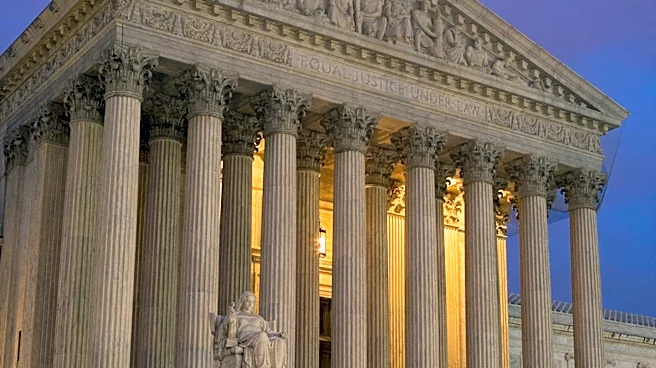
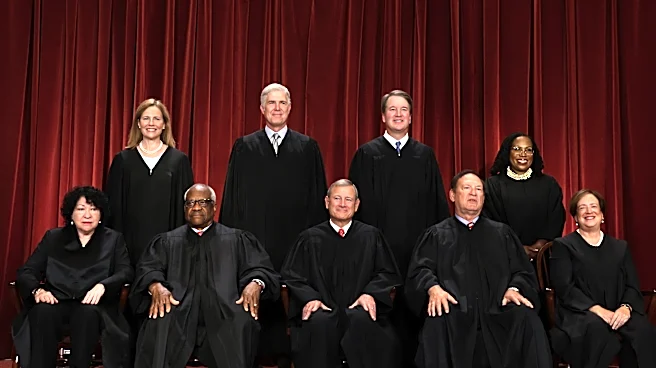
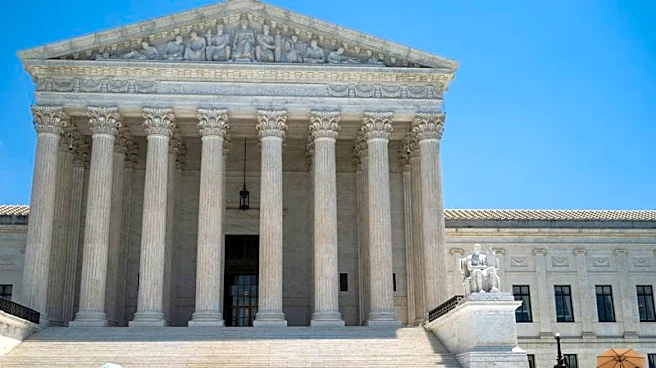
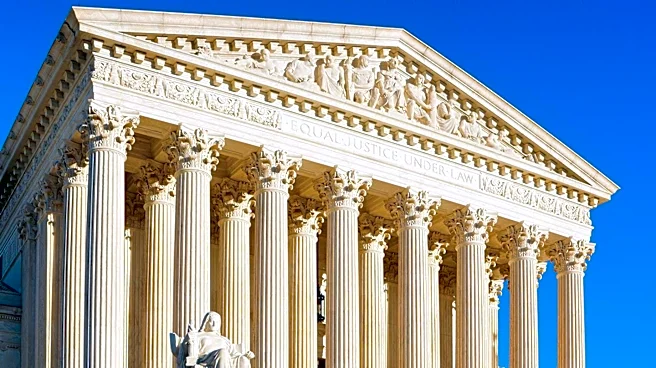
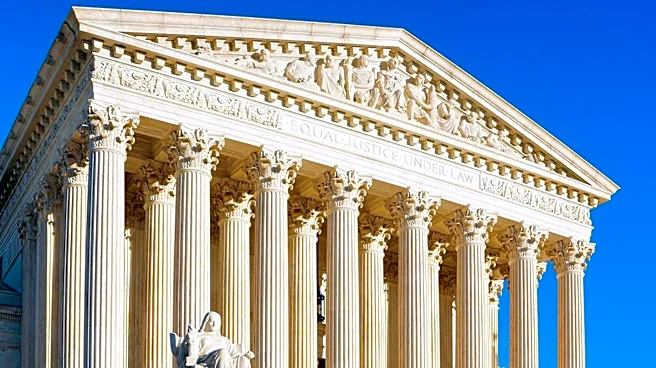
The Supreme Court has ruled in the case of Trump v. Slaughter, granting the president broad authority to remove the heads of independent federal agencies. This decision, delivered by Chief Justice John Roberts in a 6-3 majority, is seen as a move to tighten
presidential control over agencies that play crucial roles in the national economy. The ruling disrupts the traditional bipartisan structure of these agencies, which were designed to promote stability through staggered, time-limited terms for commissioners. The decision allows presidents to remove commissioners from opposing parties, potentially leaving agencies without a quorum to function effectively.
Why It's Important?
This ruling has significant implications for the balance of power within the U.S. government. By allowing the president to remove agency heads at will, it consolidates power within the executive branch, potentially undermining the bipartisan nature of these agencies. This could lead to increased political polarization and instability within federal agencies, as incoming presidents may face challenges in appointing new commissioners if the Senate is controlled by the opposing party. The decision could also enable outgoing presidents to influence agency operations by removing commissioners before leaving office, thereby affecting the incoming administration's ability to implement its agenda.
What's Next?
The ruling may prompt legislative action, with Congress potentially extending the Vacancies Act to multimember agencies, allowing temporary appointments without Senate confirmation. This could help maintain agency functionality during transitions. However, such reforms may face political hurdles, especially if the current administration benefits from the status quo. The decision could also lead to further legal challenges regarding the president's appointment powers, potentially reshaping the structure of federal agencies in the long term.
Beyond the Headlines
The decision raises ethical and legal questions about the concentration of power in the executive branch and its impact on democratic governance. It challenges the traditional checks and balances designed to prevent any single branch of government from becoming too powerful. The ruling could lead to a reevaluation of the role and structure of independent agencies, potentially prompting a shift towards single-head executive agencies to streamline operations and reduce political interference.