


What's Happening?
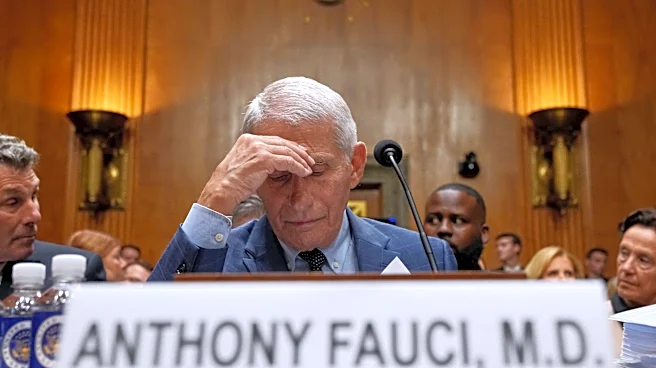
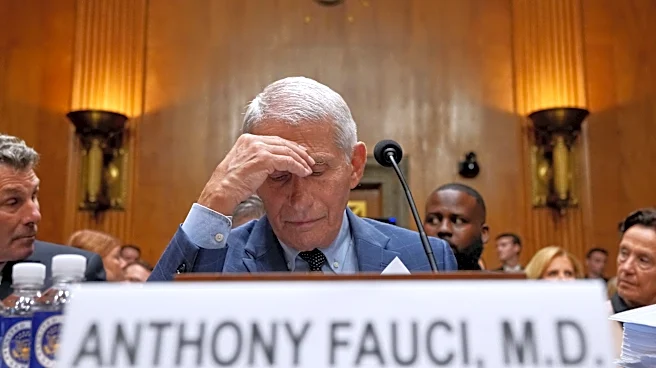
Republican senators have voted to hold Dr. Anthony Fauci in contempt of Congress after he invoked the Fifth Amendment over 100 times during a recent hearing. This move is seen as a response to Fauci's refusal to answer questions, which some senators view
as obstructive. Dr. Fauci's legal team has criticized the vote as a partisan maneuver aimed at punishing him for exercising his constitutional rights. The hearing, led by Senator Rand Paul, has been marked by tensions, with Fauci accusing Paul of having an 'unhinged obsession' with him.
Why It's Important?
The contempt vote against Dr. Fauci underscores the ongoing political tensions surrounding the handling of the COVID-19 pandemic and the role of public health officials. It highlights the deep divisions between political parties on issues of public health policy and accountability. This development could impact public trust in health institutions and officials, potentially influencing future public health responses. The situation also reflects broader debates about the balance between governmental oversight and individual rights within the context of congressional investigations.
What's Next?
The contempt vote may lead to further legal proceedings, potentially involving court actions to enforce the subpoena. This could escalate the conflict between Dr. Fauci and certain members of Congress, drawing more public and media attention. The outcome of these proceedings could set a precedent for how congressional subpoenas are enforced in the future, particularly concerning public officials. Additionally, the situation may influence upcoming legislative discussions on public health policy and oversight.