






What's Happening?
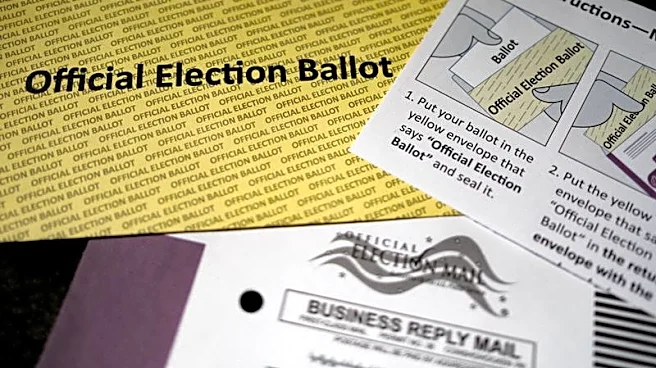
President Trump and his allies are actively promoting concerns about noncitizens voting as the November election approaches. Their efforts include advocating for the Postal Service to send mail ballots exclusively to verified U.S. citizens. This push
highlights a perceived threat to election integrity stemming from the participation of individuals who are not U.S. citizens in the voting process. The claims are animating discussions around the upcoming midterms and are setting the stage for potential challenges to election results. This focus on noncitizen voting is a significant part of the broader narrative being advanced by President Trump and his supporters regarding election security and the legitimacy of the electoral process.
Why It's Important?
The emphasis on noncitizen voting by President Trump and his allies carries significant implications for U.S. politics and public policy. It can erode public trust in election outcomes, particularly among his base, and potentially lead to increased scrutiny and challenges of election results. This narrative could also influence legislative efforts at state and federal levels to tighten voting laws, potentially impacting voter access and registration processes. Furthermore, it may fuel partisan divisions and contribute to a more contentious political environment leading up to and following the November election. The focus on this issue could also divert attention from other policy debates, centering political discourse on election integrity concerns.
What's Next?
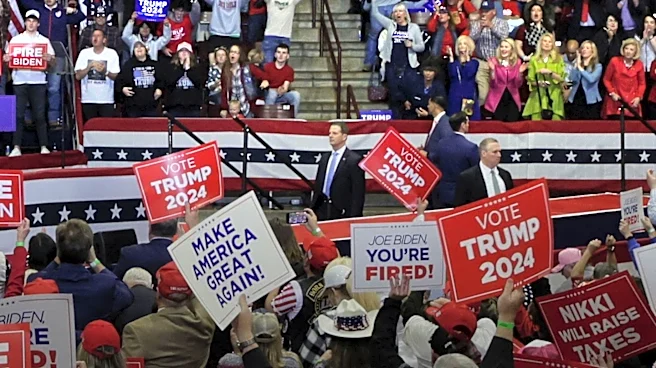
In the lead-up to the November election, it is expected that President Trump and his allies will continue to amplify claims regarding noncitizen voting. This sustained focus will likely involve further public statements, rallies, and potentially legal challenges aimed at influencing voter perceptions and election administration. We may see increased pressure on election officials to implement stricter voter verification measures. Additionally, civil society groups and voting rights organizations are likely to counter these claims, emphasizing existing safeguards against noncitizen voting and advocating for broad voter access. The outcome of these efforts could shape voter turnout, the legal landscape of elections, and the public's confidence in the democratic process.
Beyond the Headlines
The intensified focus on noncitizen voting by President Trump and his allies taps into deeper societal anxieties about national identity, immigration, and the integrity of democratic institutions. Beyond the immediate electoral implications, this narrative can contribute to a climate of distrust in government processes and institutions. It also raises ethical questions about the balance between election security and voter accessibility, and the potential for such claims to disenfranchise eligible voters or create barriers to participation. The long-term impact could include a more polarized electorate and a persistent questioning of election legitimacy, regardless of verifiable evidence, potentially altering the foundational norms of U.S. democratic practice.