








What's Happening?
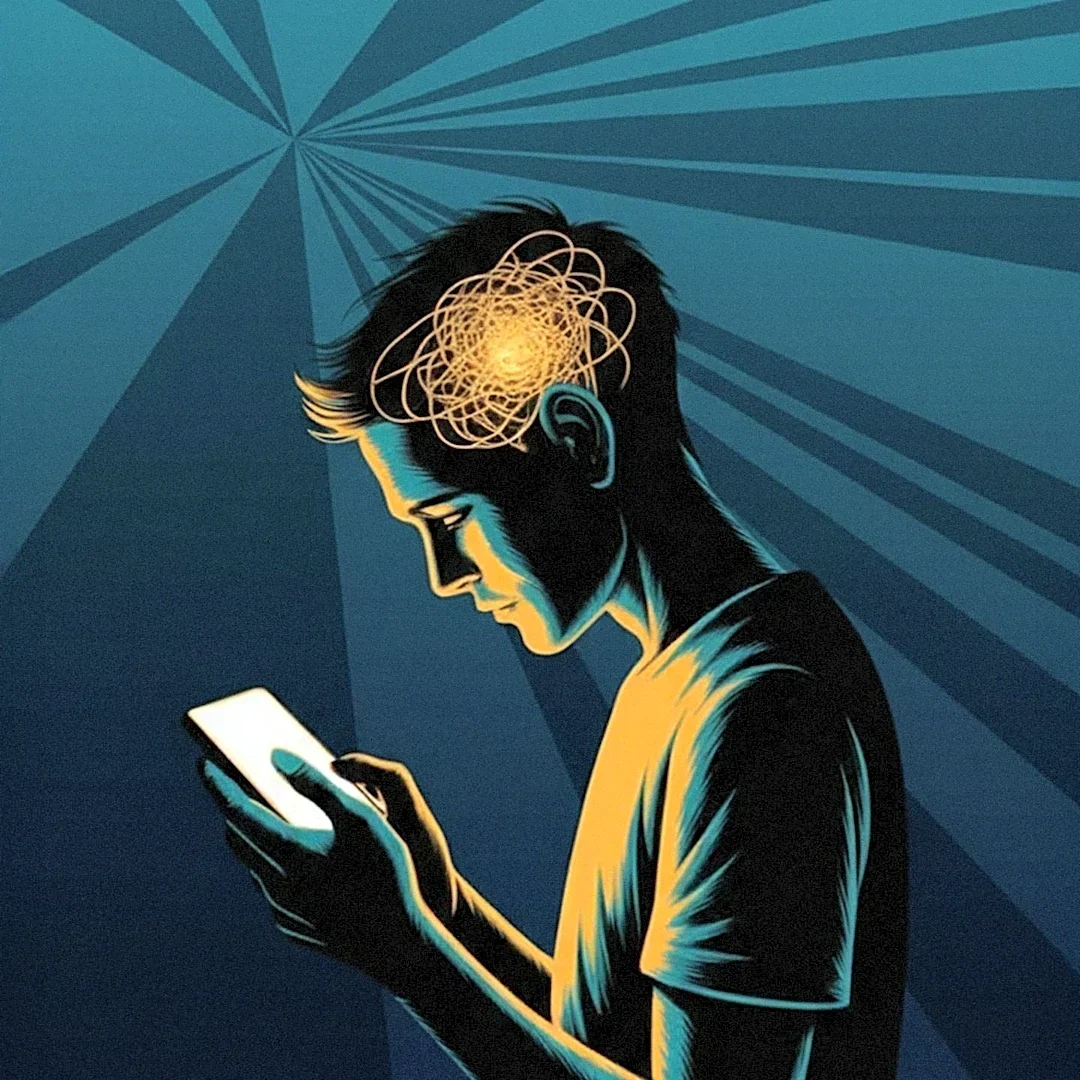
A recent Pew survey indicates that approximately half of U.S. adults believe they spend too much time on their smartphones, with about a quarter reporting near-constant phone use. Despite 45% attempting to reduce their screen time, only 25% have succeeded.
This trend has led to a rise in efforts to disconnect, including communities for 'dumbphones,' Luddite festivals, digital detox retreats, and the integration of 'digital Sabbaths.' Reducing smartphone screen time has been linked to various physical and mental health benefits, such as decreased eye strain, improved posture, and reduced anxiety, depression, and insomnia. However, widespread adoption of these methods remains elusive. Experts suggest that a lack of sustainable plans, rather than a moral failing, contributes to the difficulty in maintaining reduced smartphone use. Gabriela Nguyen, founder of Appstinence, a program incubated at Harvard Innovation Labs, emphasizes the need for a gradual approach to re-evaluate one's relationship with technology.
Why It's Important?
The pervasive issue of excessive smartphone use among U.S. adults carries significant implications for public health, productivity, and social interaction. The reported difficulties in reducing screen time, despite awareness of its negative impacts, highlight a growing societal challenge akin to addiction. The health benefits associated with digital detoxes, such as improved mental well-being and physical health, underscore the importance of addressing this issue. Furthermore, the struggle to disconnect can affect personal relationships and overall quality of life, as individuals become increasingly tethered to their devices. The lack of widespread success in reducing screen time suggests that current approaches may not be adequately addressing the psychological and behavioral aspects of smartphone dependency, necessitating more structured and sustainable interventions.
What's Next?
Efforts to address smartphone dependency are likely to evolve, focusing on more sustainable and psychologically informed strategies. Programs like Appstinence, which advocate for gradual weaning from social media and smartphones, may gain traction. The concept of 'digital Sabbaths' could become more formalized, encouraging intentional breaks from digital devices. There may also be increased advocacy for policies like the 'right to disconnect,' which has seen success in other countries but faced hurdles in the U.S. workplace. As technology continues to integrate into daily life, the conversation will likely shift towards fostering healthier relationships with devices rather than complete abstinence, emphasizing conscious usage and the creation of screen-free spaces.
Beyond the Headlines
The struggle to disconnect from smartphones reveals deeper societal and psychological implications. The constant connectivity fostered by smartphones blurs the lines between work and personal life, impacting mental health and social dynamics. The reliance on digital platforms for communication and information can diminish face-to-face interactions, potentially affecting the development of social skills and the depth of personal relationships. The commercial interests of tech companies, which design platforms to maximize engagement, contribute to the addictive nature of smartphones. Addressing this issue requires a multi-faceted approach that includes individual behavioral changes, educational initiatives, and potentially regulatory measures to promote digital well-being and protect individuals from the adverse effects of constant digital immersion.