





What's Happening?
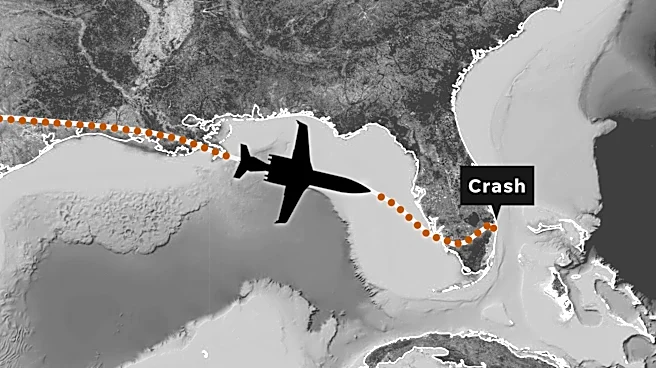
A Learjet 60 that tragically crashed in Palm Beach County, Florida, resulting in nine fatalities, made a stop in Little Rock, Arkansas, just days before the accident. According to records, the flight landed in Little Rock on Friday, October 30, and departed
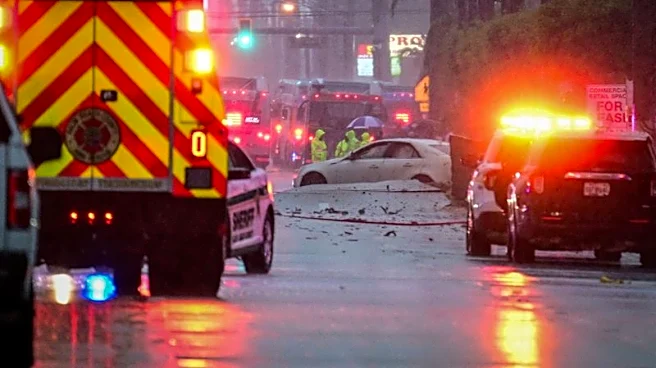
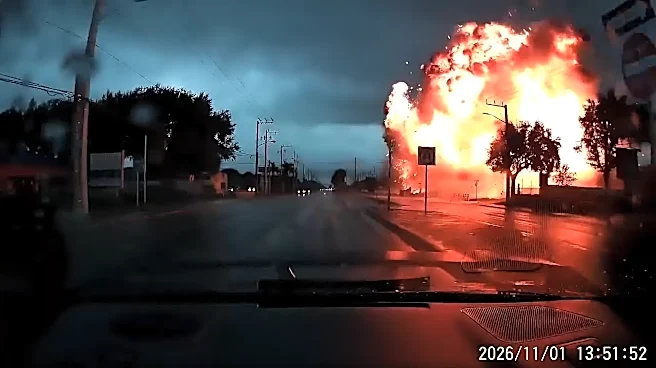
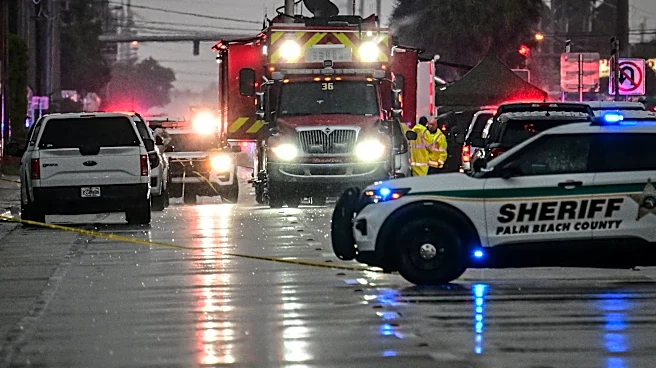
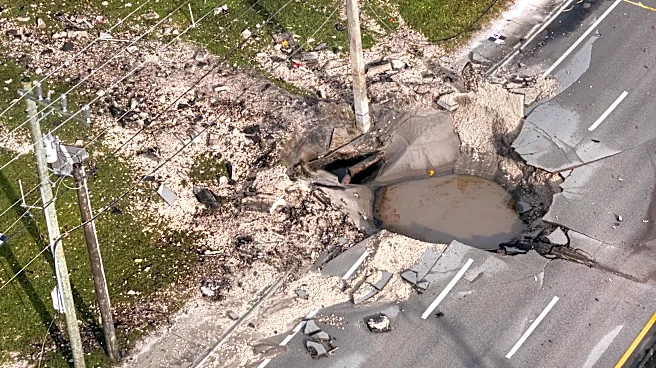
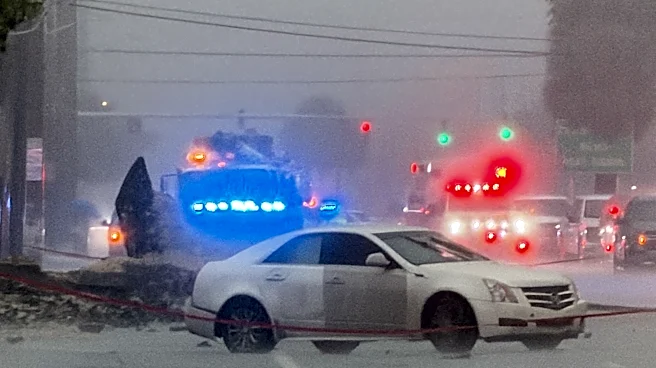
the following day, heading to Austin, Texas. After leaving Austin on Sunday, the aircraft crashed en route to North Eleuthera Airport in the Bahamas. The crash caused a crater in the roadway and scattered debris, leading to the evacuation of 600 residents from a nearby mobile home community. Officials reported no injuries on the ground. The National Transportation Safety Board (NTSB) is leading the investigation into the cause of the crash, with assistance from the Federal Aviation Administration (FAA). The NTSB was expected to provide an update on the investigation on Monday afternoon.
Why It's Important?
The incident highlights the inherent risks associated with air travel, even for private and charter flights. The stop in Little Rock, while not directly linked to the cause of the crash, places the city within the flight's tragic trajectory, drawing local attention to a national aviation disaster. Investigations into such crashes are crucial for identifying potential systemic issues, improving aircraft safety standards, and preventing future accidents. The evacuation of a large residential community underscores the significant public safety and logistical challenges that can arise from aviation incidents, even when they occur away from major population centers. The involvement of multiple federal agencies like the NTSB and FAA emphasizes the rigorous regulatory framework governing aviation and the extensive efforts undertaken to ensure air safety.
What's Next?
The NTSB, with assistance from the FAA, will continue its investigation to determine the cause of the Learjet 60 crash. This process typically involves examining flight recorders, aircraft maintenance records, pilot qualifications, and environmental factors. The findings from this investigation will be critical for informing potential changes in aviation regulations, aircraft design, or operational procedures. The affected community in Palm Beach County will likely continue to deal with the aftermath of the evacuation and the physical impact of the crash site. The families of the nine victims will await the official report to understand the circumstances leading to the loss of their loved ones. Any recommendations made by the NTSB could have far-reaching implications for the private jet industry and general aviation safety protocols.
Beyond the Headlines
Beyond the immediate investigation, this event could prompt a broader discussion on the safety protocols and maintenance standards for older aircraft models, such as the Learjet 60. The incident also brings into focus the psychological impact on communities affected by unexpected disasters, even if no ground injuries occurred. The extensive resources deployed by federal agencies for investigation and the local authorities for community management illustrate the complex interagency coordination required during such events. Furthermore, the tragedy serves as a stark reminder of the human element in aviation, from the pilots to the maintenance crews, and the continuous need for vigilance and adherence to safety best practices across the entire industry. The incident may also lead to increased scrutiny of flight plans and pre-flight checks for private charters.