
What's Happening?
Health experts are expressing concerns about the United States' readiness to handle another pandemic, citing administrative changes and a decline in public trust in health institutions since the COVID-19
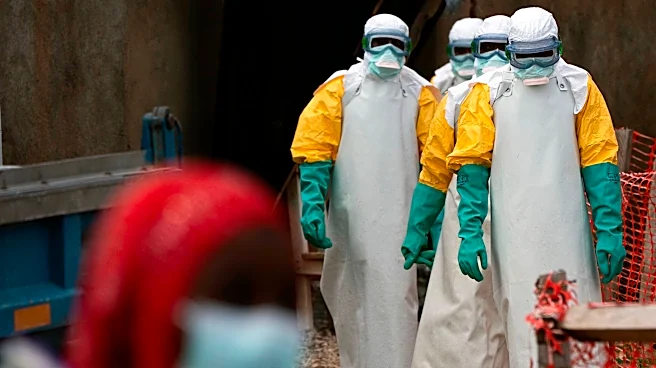
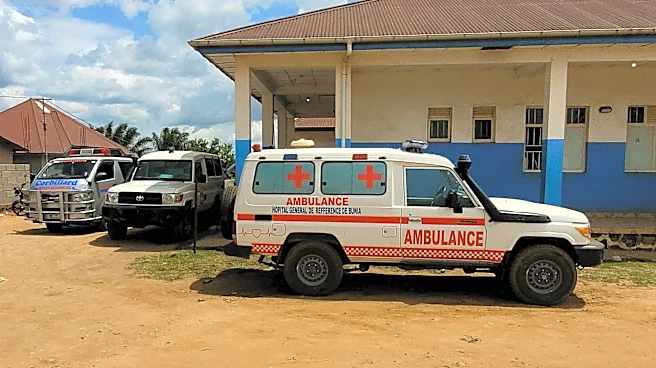
pandemic. Recent discussions have highlighted viruses such as hantavirus and Ebola, which, while not currently posing a significant threat of becoming global pandemics, have raised questions about the country's preparedness. The Ebola outbreak in Central and East Africa has been declared a public health emergency, but experts note that its transmission is limited to close physical contact, reducing the risk of widespread international spread. Meanwhile, isolated hantavirus cases, including a cluster on a cruise ship, have also been reported. These developments have prompted scrutiny of the U.S.'s current pandemic preparedness strategies.
Why It's Important?
The concerns raised by health experts underscore the potential vulnerabilities in the U.S. public health system, which could have significant implications for national security and public safety. The administrative changes and erosion of trust in public health institutions could hinder effective response efforts in the event of a new pandemic. This situation could affect various sectors, including healthcare, the economy, and public policy, as the country may struggle to implement coordinated and efficient measures to contain and manage outbreaks. The ability to quickly and effectively respond to health crises is crucial for minimizing economic disruptions and protecting public health.
What's Next?
Moving forward, it is essential for the U.S. to address the identified gaps in pandemic preparedness. This may involve strengthening public health infrastructure, restoring trust in health institutions, and ensuring that administrative changes do not impede the country's ability to respond to health emergencies. Policymakers and health officials may need to collaborate on developing comprehensive strategies that enhance the nation's resilience against future pandemics. Additionally, public awareness and education campaigns could play a role in rebuilding trust and ensuring that the population is informed and prepared for potential health threats.