
What's Happening?
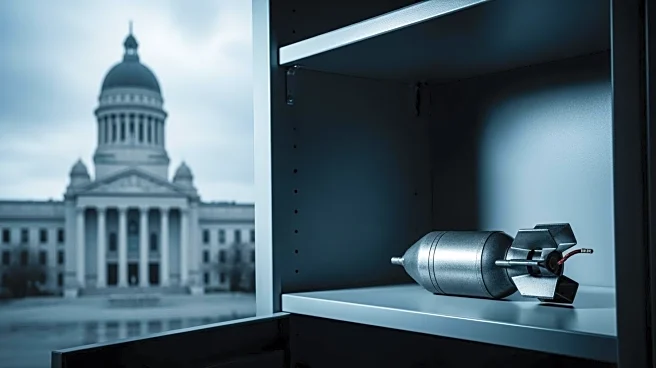
The FBI has arrested Brian J. Cole Jr., suspected of planting pipe bombs near the U.S. Capitol on January 6, 2021. Cole, arrested in Virginia, faces charges related to the transportation and attempted
destruction of explosive devices. The arrest follows an investigation that used financial and cellphone data to link Cole to the crime scene. In a separate development, the Supreme Court has allowed Texas to use a new congressional map, potentially increasing Republican seats in the U.S. House. This decision overturns a lower court's ruling that suggested racial discrimination in the map's design.
Why It's Important?
The arrest of the Jan. 6 pipe bomb suspect marks a significant step in addressing the security breaches during the Capitol riot, potentially deterring future threats. It underscores the ongoing efforts of law enforcement to hold individuals accountable for actions that threaten national security. Meanwhile, the Supreme Court's decision on Texas redistricting could have far-reaching implications for electoral politics, potentially strengthening Republican influence in Congress. This ruling may set a precedent for future gerrymandering cases, affecting the balance of political power and representation in the U.S.
What's Next?
As the legal proceedings against Brian J. Cole Jr. unfold, further details about the motives and planning behind the pipe bomb incident may emerge, providing insights into domestic security threats. The Supreme Court's decision on Texas redistricting could prompt similar actions in other states, influencing the political landscape ahead of upcoming elections. The ruling may also lead to increased scrutiny and legal challenges regarding gerrymandering practices, as stakeholders seek to ensure fair representation. The outcomes of these developments will be closely watched by political analysts and civil rights advocates.