





What's Happening?
The European Union is planning to conduct a tabletop exercise to test its mutual assistance clause, Article 42.7, which obligates member states to aid each other in the event of armed aggression. This exercise will be carried out by the EU's Political
and Security Committee, composed of senior EU diplomats. The move comes amid growing transatlantic tensions and increased security threats, such as drone attacks from Lebanon targeting Cyprus. The exercise aims to explore how the clause would function in practice, especially given the lack of specificity regarding military responses. The EU's External Action Service is also preparing a paper to outline potential security guarantees.
Why It's Important?
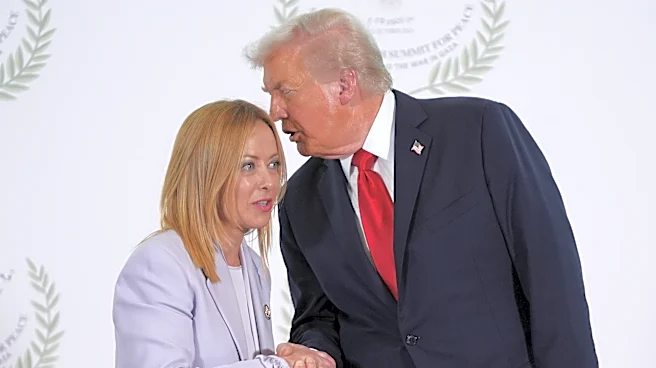
This initiative reflects the EU's efforts to strengthen its security framework independently of NATO, particularly in light of recent tensions with the U.S. under President Trump's administration. The exercise underscores the EU's need to ensure its security mechanisms are robust and effective, especially as new threats emerge. For EU member states, particularly those like Cyprus facing direct threats, the ability to rely on mutual assistance is crucial for national security. This development also highlights the EU's strategic shift towards greater autonomy in defense matters, which could influence its global standing and relations with NATO.
What's Next?
Following the exercise, the EU may consider formalizing and strengthening its mutual assistance mechanisms, potentially leading to new defense policies or agreements. The outcome could also influence the EU's approach to security cooperation with NATO and other international partners. As the EU continues to navigate its security challenges, member states may push for more comprehensive defense strategies and increased investment in military capabilities. The upcoming summit of EU leaders in Cyprus will likely address these issues, setting the stage for future policy decisions.