









What's Happening?
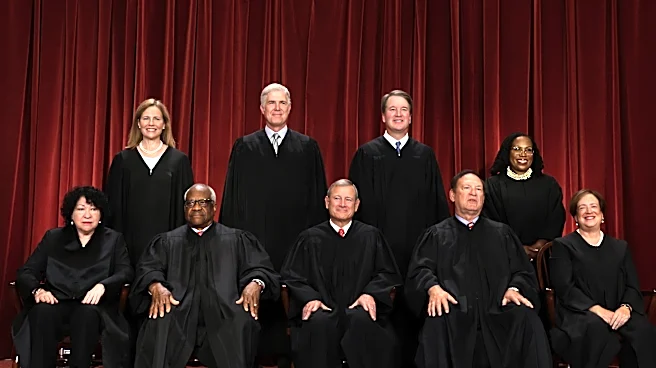
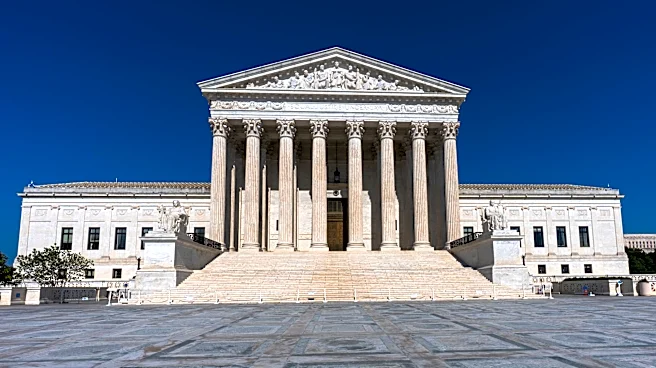
The United States Supreme Court has ruled in favor of Exxon Mobil, allowing the company to sue state-owned oil companies in Cuba for property confiscated in 1960 following Fidel Castro's rise to power. The 6-3 decision, written by Justice Brett Kavanaugh,
permits Exxon to pursue legal action under a 1996 law that allows U.S. nationals to seek compensation for property seized by foreign governments. This ruling comes amid heightened tensions between the U.S. and Cuba, with the Trump administration taking a firm stance against Havana.
Why It's Important?
This decision is pivotal as it opens the door for U.S. companies to seek reparations for properties nationalized by foreign governments, potentially leading to significant financial implications for Cuba. The ruling may also influence U.S.-Cuba relations, as it reflects the U.S. government's willingness to support American businesses in reclaiming assets lost during political upheavals. The case underscores the complex interplay between international law and domestic legal frameworks, particularly concerning property rights and foreign policy.