


What's Happening?
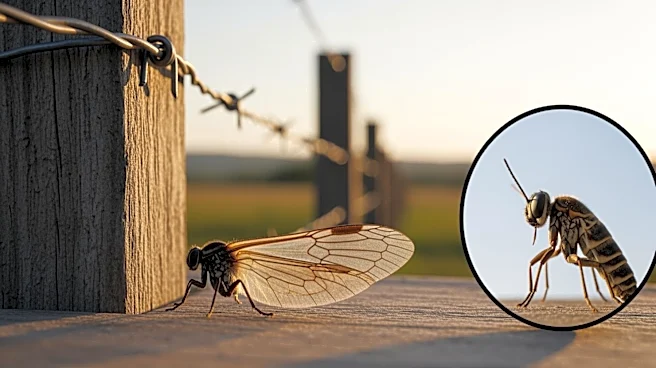
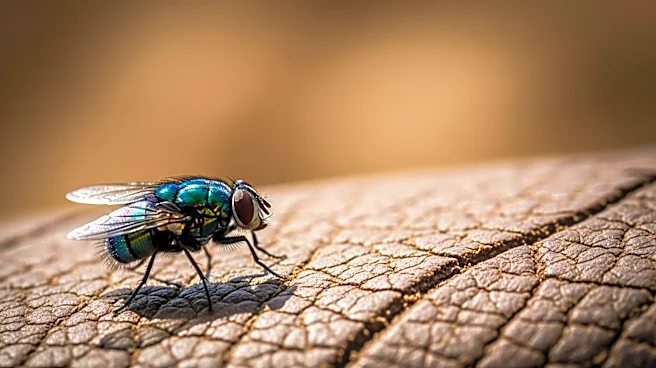
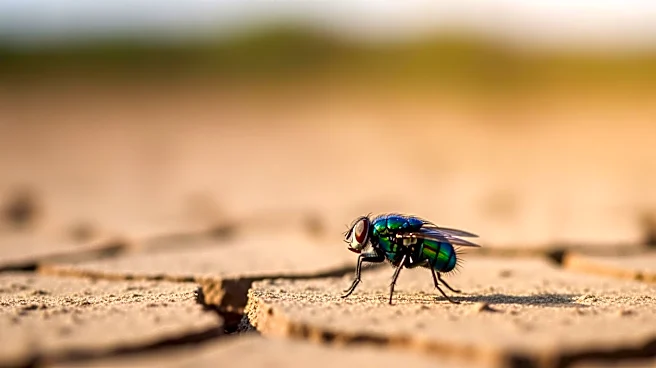
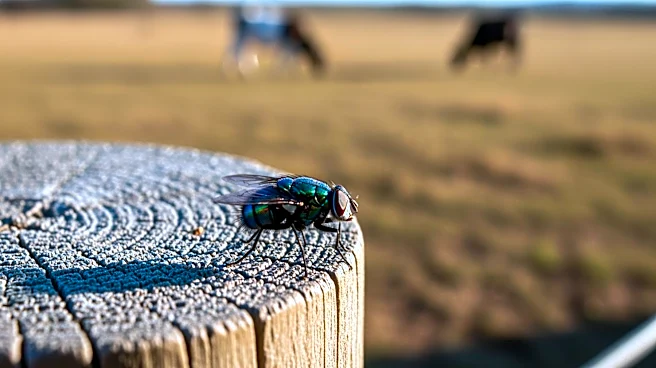
The New World screwworm fly has been detected in a calf in Texas, marking the first case since 1966. The parasite, known for its flesh-eating larvae, poses a threat to livestock and other warm-blooded animals. Texas State Veterinarian Bud Dinges has established
a quarantine zone to prevent the movement of animals without inspection. The USDA has been deploying sterile flies and traps to control the spread, and officials are confident that the measures will prevent mass infestation.
Why It's Important?
The detection of the screwworm fly in Texas could have significant economic implications for the livestock industry. The parasite's presence could lead to increased beef prices due to supply disruptions. The USDA's efforts to contain the fly are crucial to preventing widespread infestation and protecting the agricultural economy. The situation highlights the importance of maintaining vigilance and cooperation from ranchers and pet owners.
What's Next?
The USDA plans to continue its efforts to control the screwworm fly population by expanding sterile fly breeding facilities and deploying more traps. The agency is confident that these measures will prevent the establishment of the pest in the U.S. However, vigilance and cooperation from ranchers and pet owners are essential to respect quarantine zones and prevent further spread.